 Amino acids are the basic foundation blocks of all proteins. Proteins support growth, repair body tissues, and help produce enzymes and hormones needed for normal functioning.
Phenylalanine is one such essential amino acid . It is needed for brain function and the production of important chemicals in the body, but it cannot be produced naturally and must be obtained through diet.
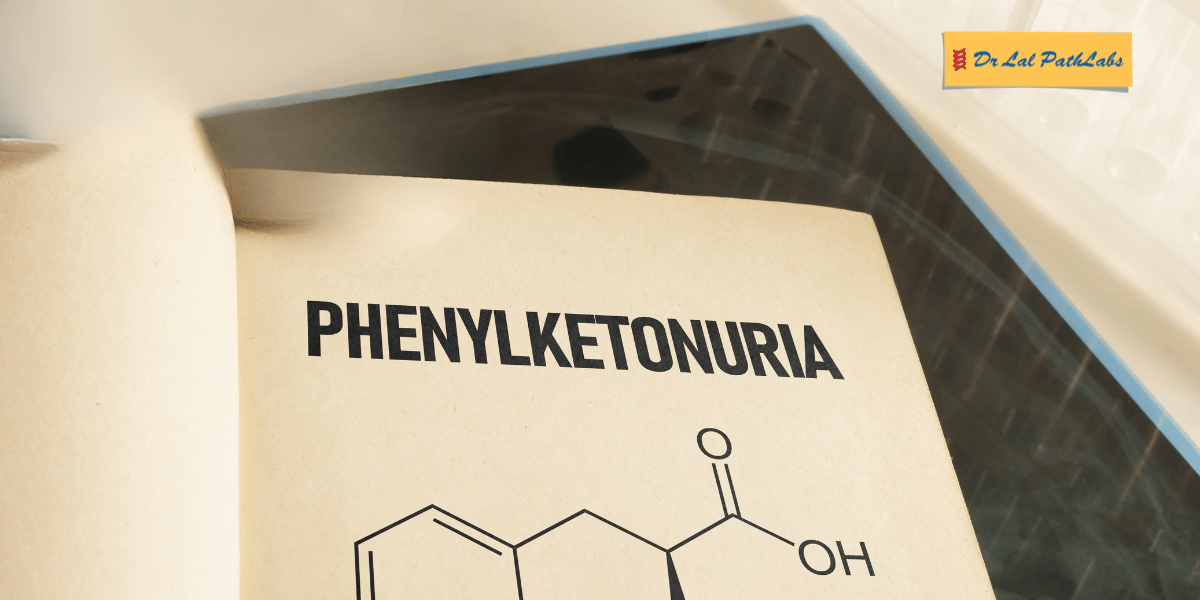
In rare cases, the body is unable to process phenylalanine properly. This happens due to a genetic condition called phenylketonuria, commonly known as PKU. This article explains what phenylketonuria is, its causes and symptoms, how it is diagnosed through genetic testing, and the available options for long-term management.
What is Phenylketonuria?
Phenylketonuria, or PKU, is a rare genetically inherited metabolic disorder that reduces the body’s ability to break down an amino acid called phenylalanine.
Under normal conditions, phenylalanine from food is processed and used safely by the body. In individuals with phenylketonuria, this process does not work as it should, leading to a gradual buildup of phenylalanine in the bloodstream and brain.
Phenylketonuria follows an autosomal recessive gene pattern of inheritance. This means a child develops the condition only when both parents carry and pass on the affected gene. Parents are usually healthy carriers and may not show any symptoms themselves.
What are the Causes of Phenylketonuria?
Phenylketonuria is caused by a genetic change that affects how the body processes phenylalanine. Under normal circumstances, phenylalanine from protein-rich foods is converted into another amino acid, tyrosine.
This conversion relies on the enzyme phenylalanine hydroxylase. When phenylalanine hydroxylase functions correctly, phenylalanine levels remain within a safe range.
In phenylketonuria, a genetic disorder alters the gene that encodes phenylalanine hydroxylase. As a result, the enzyme may be absent or function poorly. Without sufficient enzyme activity, phenylalanine cannot be converted into tyrosine. This leads to phenylalanine buildup in the blood and brain, which can cause neurological damage if not managed early and consistently.
What are the Symptoms of Phenylketonuria?
Phenylketonuria symptoms develop due to the buildup of phenylalanine in the body. In many cases, newborns may not show visible signs at birth. Symptoms usually appear gradually if the condition is not identified and managed early.
Common phenylketonuria symptoms include:
- Delayed growth and development: Slower physical growth and delays in achieving developmental milestones may be observed during infancy and early childhood.
- Intellectual disability: High levels of phenylalanine can interfere with brain development, leading to learning difficulties and reduced cognitive function.
- Behavioral and emotional problems: Irritability, hyperactivity, mood changes, and difficulty concentrating may occur, especially in untreated cases.
- Seizures: Abnormal electrical activity in the brain may develop due to phenylalanine
accumulation. - Microcephaly: Head size may be smaller than average as a result of impaired brain growth.
- Light skin, hair, and eye color: Reduced melanin production can occur because tyrosine is required for pigment formation.
- Eczema or skin rashes: Dry, irritated skin conditions may develop in some individuals.
- Musty or unusual body odor: A characteristic smell in breath, skin, or urine may be present due to excess phenylalanine byproducts.
How is Phenylketonuria Diagnosed?
Phenylketonuria is most commonly diagnosed through newborn screening programs. A small blood sample is collected from the baby’s heel within the first few days after birth. This test measures phenylalanine levels in the blood.
If screening results suggest phenylketonuria, further tests are carried out to confirm the diagnosis. These may include repeat blood tests and genetic testing to identify changes in the gene responsible for phenylalanine metabolism.
How is Phenylketonuria Managed?
Phenylketonuria is managed through long-term dietary control aimed at maintaining safe phenylalanine levels in the body. Typically, this involves a low-phenylalanine diet, specialised medical formulas, and regular monitoring of blood phenylalanine levels. In some cases, medications may be prescribed to support enzyme activity.
Early and consistent management of phenylketonuria or PKU supports normal growth and neurological development. For this, proper newborn screening under a medical professional’s supervision is essential.
To ensure effective and early diagnosis of genetic and other conditions in newborns, consult with a healthcare provider and schedule a newborn screening test through the Dr. Lal PathLabs app today!
Frequently Asked Questions
- What is the phenylketonuria definition?
Phenylketonuria is a rare genetic metabolic disorder in which the body cannot properly break down the amino acid phenylalanine. This leads to its accumulation in the blood and brain if untreated. - What does a baby with phenylketonuria disease look like?
Most babies with phenylketonuria disease appear normal at birth. Physical signs usually do not develop immediately and may only appear later if the condition is not diagnosed and managed early. - What products can trigger phenylketonuria?
Foods and products high in protein can increase phenylalanine levels. These include meat, eggs, dairy products, nuts, soy-based foods, and products containing the artificial sweetener aspartame. - What is maternal PKU syndrome?
Maternal PKU syndrome occurs when a woman with poorly controlled phenylketonuria has high phenylalanine levels during pregnancy, which can affect fetal development and lead to congenital abnormalities in the baby.