Homocystinuria is a rare genetic health disorder. It is a result of a buildup of homocysteine, an amino acid present in an individual’s urine and blood. Due to this disorder, the body lacks a vital enzyme required to break down homocysteine adequately. This inherited condition can have serious complications on an individual’s skeleton system, eyes, central nervous system, and vascular system. Additionally, it is extremely rare, affecting approximately 1 in every 2 lakh to 3.3 lakh individuals globally. This article explores Homocystinuria by discussing what is homocysteine, homocysteine levels, homocysteine symptoms, homocysteine test and more.
What is Homocysteine?
Homocysteine is a type of amino acid. It is broken down by vitamin B12, B6 and folate to create essential chemicals for the body. A healthy homocysteine level or homocysteine test normal range is 5 to 15 micromoles per litre (mcmol/L). A higher reading of homocysteine means health conditions like Homocystinuria.
What are the Causes of Homocystinuria?
Homocystinuria is caused by genetic mutations present at the time of birth. Furthermore, more than 150 mutations that can cause the health condition have been identified in the gene Cystathionine Beta-Synthase (CBS). This gene is responsible for the instructions required to make enzymes that use vitamin B6 to metabolise homocysteine. The gene mutation, hence, interferes with the normal functioning of the CBS gene, resulting in the homocysteine build-up. In other rare cases, gene mutations such as MTHR, MTR, and MTRR can also cause this disorder. Further, it’s important to note that since Homocystinuria is an autosomal recessive trait, individuals suffering from it must have inherited the mutated gene from both parents.
What are the Symptoms of Homocystinuria?
The symptoms of Homocystinuria are different from homocysteine symptoms. These include:
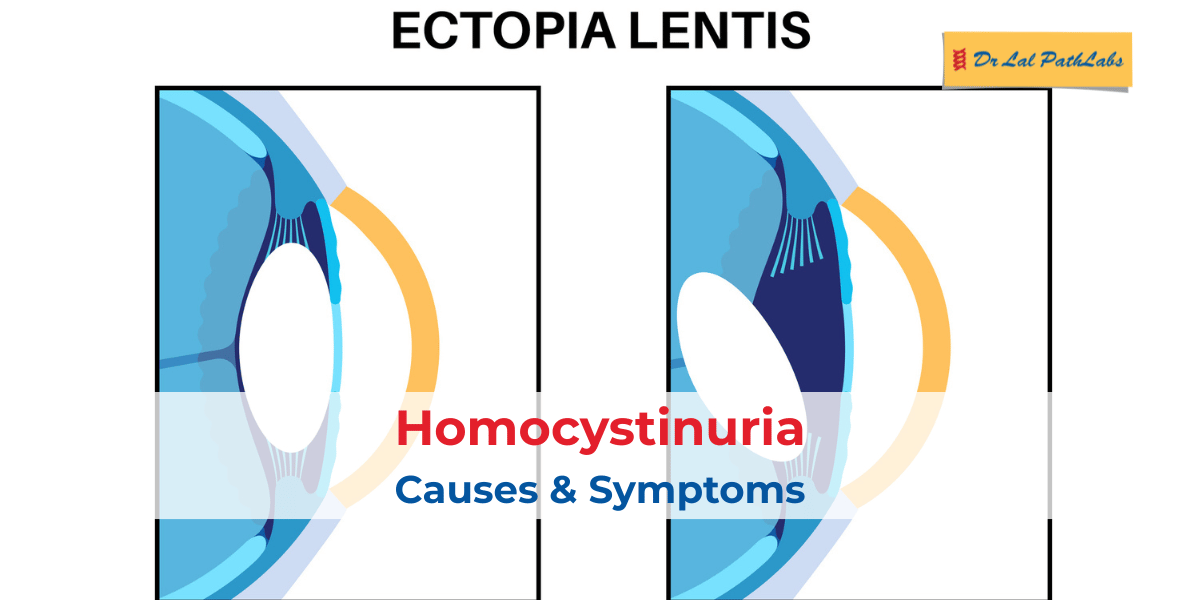
- Ectopia Lentis (dislocation of the lenses from the eyes)
- Severe Myopia (near-sightedness)
- Excess growth of the skeletal system
- Inward bent knees that touch when the legs are straight
- Long arms, fingers, legs and toes
- Protruding or sunken chest
- Scoliosis (curved spine)
- Nervous system developmental delays and learning issues
- An increase in the risk of blood clots (leading to pulmonary embolism or stroke)
How is Homocystinuria Diagnosed?
High homocysteine levels and Homocystinuria are diagnosed through an enquiry into homocysteine symptoms, Homocystinuria symptoms, and the following tests:
- Genetic testing to examine the genes involved in the disorder
- A homocysteine test or an amino acid screen test to assess homocysteine levels.
- A test to examine how the body responds to methionine
- A biopsy of the liver and an enzyme assay to determine enzymatic activity
Other tests include X-rays to study signs of osteoporosis, skin biopsy, and fibroblast culture.
How is Homocystinuria Treated?
Unfortunately, Homocystinuria has no known cure. Treatment typically involves managing homocysteine symptoms and Homocystinuria symptoms. This can include consuming vitamin B6, vitamin B9, vitamin B12 supplements, Betaine (helps reduce homocysteine levels), and a diet restricting protein and methionine intake. Individuals must seek medical attention and get homocysteine test to adopt the best treatment for Homocystinuria.
Homocystinuria is a rare health condition that is caused by high Homocysteine levels in the body. Individuals who notice the above homocysteine symptoms must consult a medical professional to understand their homocysteine level and to check whether their homocysteine test reads: ”homocysteine normal range”. For reliable results, book a homocysteine test with Dr Lal PathLabs today.
FAQs
- What is Homocystinuria?
Homocystinuria is a rare genetic health disorder, which is a result of a buildup of homocysteine, an amino acid, in an individual’s urine and blood. - What Is Homocysteine?
Homocysteine is a type of amino acid. It is vital for the creation of essential chemicals for the body. A homocysteine normal range is 5 to 15 micromoles per litre (mcmol/L). A higher homocysteine level can be an indicator Homocystinuria. - What is the cause of Homocystinuria?
The most common cause of Homocystinuria is a genetic mutation. These mutations hinder the smooth function of enzymes, which in turn causes a buildup of the amino acid homocysteine. - What is the difference between Homocysteine and Homocystinuria?
Homocysteine is an amino acid, while Homocystinuria is a health condition that is caused by an excess buildup of homocysteine. - When should individuals get a homocysteine test?
Individuals should get a homocysteine test if they notice homocysteine symptoms like Vitamin B deficiency. These include dizziness, fatigue, skin colour changes, mouth or tongue sores, tingling in hands, arms, or legs, muscle weakness, and heart palpitations.