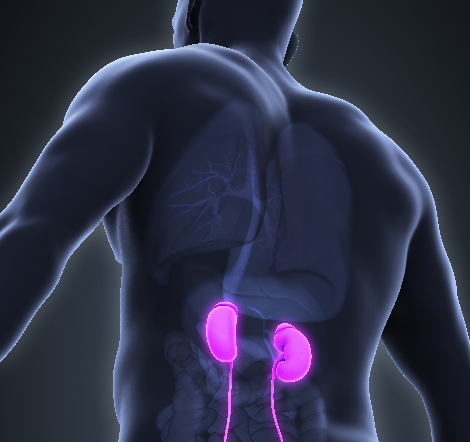
According to the World Health Organisation (WHO) and the International Agency for Research on Cancer (IARC), kidney cancer ranks 14th among the most common cancers worldwide, with an estimated 434,840 new cases annually. While early-stage kidney cancer may not show symptoms, early detection significantly improves treatment outcomes.
What is Kidney Cancer?
Kidney cancer occurs when abnormal kidney cells grow uncontrollably, forming a tumour. The most prevalent kidney cancer in adults is Renal Cell Carcinoma (RCC), making up around 85% of cases as per the Journal of Kidney Cancer and VHL. Less common types include transitional cell carcinoma and Wilms tumour, which mainly affects children.
What are the Causes and Risk Factors of Kidney Cancer?
The exact kidney cancer causes are unclear, but various risk factors raise the chances of developing:
- Smoking
- Obesity
- High blood pressure
- Family history
- Chronic kidney disease & dialysis
- Chemical exposure
- Genetic disorders
What are the Signs and Symptoms of Kidney Cancer?
Early kidney cancer often doesn’t show apparent symptoms. However, as the tumour grows, certain signs and symptoms of kidney cancer may appear. Here’s a closer look at the common symptoms of kidney cancer:
- Blood in Urine (Haematuria)
One of the most common signs of kidney cancer is blood in the urine (haematuria). Urine may appear pink, red, or brown, though blood is sometimes invisible to the eye and only detectable through a urine test. Blood in the urine occurs because the tumour grows inside or near a blood vessel, which can bleed into the urine.
- Pain in the Side or Back
Individuals with kidney cancer may experience dull or persistent pain in the side or lower back, where the kidneys are located. The pain might not always be sharp or intense, but it can be uncomfortable or constant. This pain is often associated with the tumour pressing on surrounding organs, muscles, or nerves. As the tumour grows, it can cause more significant discomfort and may even radiate to the abdomen or other areas of the body.
- Fatigue
Fatigue often arises due to the body fighting off cancer, but it can also result from anaemia, which is a common complication of kidney cancer. Anaemia happens when the body lacks sufficient healthy red blood cells (RBCs) to supply oxygen to tissues, leaving the individual feeling weak, pale, and tired.
- Swelling in the Legs or Ankles
In some cases, the kidneys become unable to properly filter waste and excess fluid, leading to fluid buildup in the legs, ankles, or feet. This swelling, also known as oedema, often comes with a sense of heaviness or tightness in the affected areas. Kidney cancer causes changes in the body’s protein levels, further contributing to fluid retention.
- High Blood Pressure (Hypertension)
Kidneys help regulate blood pressure by maintaining the balance of sodium and fluids in the body. When kidney function is impaired by cancer, it can lead to an increase in blood pressure. Sometimes, blood pressure medications might not be effective in controlling hypertension caused by kidney cancer.
- Fever
Fever may be caused by the body’s immune response to the tumour. In some cases, kidney cancer can lead to infections, abscesses, or other complications that can result in fever. Fever accompanied by other symptoms like unexplained weight loss or fatigue may point toward a more serious underlying issue.
- Lump or Mass in the Abdomen or Side
Sometimes, a noticeable lump or mass may form on the side or abdomen where the kidney is located. This lump is generally painless, but its presence may signal the growth of a tumour. The mass may be palpable or visible under the skin if it becomes large enough. This is more common in advanced stages of kidney cancer when the tumour has grown large enough to be detected.
- Anaemia (Low Red Blood Cell Count)
Kidney cancer can sometimes lead to anaemia, which is a condition in which the body lacks sufficient red blood cells to transport oxygen. Anaemia can cause fatigue, pale skin, dizziness, and shortness of breath. This may result from the kidney’s reduced ability to produce erythropoietin. It is a hormone that helps stimulate red blood cell production.
- Unusual Symptoms in Advanced Stages
In the later stages of kidney cancer, when it has spread to other parts of the body, symptoms can become more pronounced and affect other organs. Metastasis can cause bone pain, difficulty breathing, or jaundice (yellowing of the skin and eyes) if the cancer spreads to the liver. Swollen lymph nodes can also indicate that the cancer has spread beyond the kidneys.
Also know more about how to Prevent Kidney Cancer
For any persistent symptoms of kidney cancer, consult a healthcare professional and book a kidney function test with Dr. Lal PathLabs.
FAQs
-
What is the survival rate for kidney cancer?
Around 75% over five years, but it varies based on stage and treatment. Early detection significantly improves outcomes.
-
What are the three early warning signs of kidney disease?
Blood in urine, persistent lower back pain, and unexplained fatigue are key early warning signs and symptoms of kidney cancer.