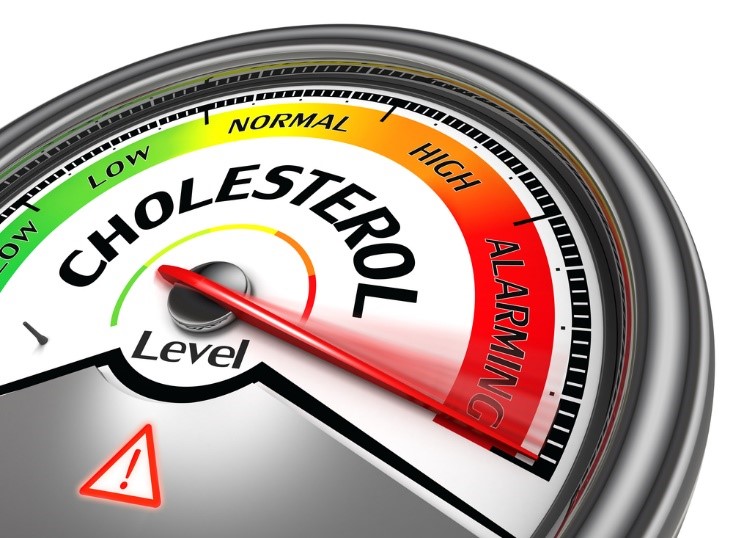
 According to the World Health Organization, cardiovascular diseases caused about 27% of all deaths in India in 2016. They were responsible for 45% of deaths in Indians aged 40 to 69, highlighting the need for early detection. Heart tests and screening methods like the lipid test play an important role in identifying risk factors before they develop into serious conditions.
This article highlights lipid screening and its results, when it should be conducted, and why it’s essential for heart health management.
What Is a Lipid Profile Test?
A lipid test is a blood examination that measures fat-based molecules in the bloodstream, providing a detailed metabolic profile to assess cardiovascular risk. This heart health test analyses different types of cholesterol and triglycerides, offering a comprehensive view of heart health.
By measuring lipoproteins, the test helps identify potential health risks before they develop into serious heart disease. Healthcare professionals use this test to guide preventive care and treatment strategies.
When Is a Lipid Profile Test Done?
A lipid profile test is suggested in the following circumstances:
- The American Heart Association advises a cholesterol screening for children once between ages 9 and 11. A second screening is recommended between ages 17 and 21. After that, most adults should have their cholesterol levels checked every 4 to 6 years.
- For individuals with a family history of heart disease.
- In cases of obesity, diabetes, or hypertension.
- For patients showing symptoms of heart illness.
- To monitor the effectiveness of cholesterol-lowering medications.
- For individuals with lifestyle risk factors such as smoking or sedentary habits.
Why Is a Lipid Profile Test Required?
The lipid profile plays a vital role in heart problems prevention, serving multiple critical diagnostic objectives, such as:
- Detailed cardiovascular risk assessment
- Early detection of potential metabolic dysfunctions
- Identifying genetic risks for heart conditions
- Tracking long-term metabolic health changes
- Developing personalised preventative healthcare strategies
What To Expect in Lipid Profile Test Results?
A detailed lipid profile evaluates:
1. Total Cholesterol
- Desirable: Below 200 mg/dL
- Borderline High: 200-239 mg/dL
- High: 240 mg/dL and above
2. Low-Density Lipoprotein (LDL)
- Optimal: Below 100 mg/dL
- Near-Optimal: 100-129 mg/dL
- Borderline High: 130-159 mg/dL
- High: 160-189 mg/dL
- Very High: 190 mg/dL and above
3. High-Density Lipoprotein (HDL)
- Low (Risk Factor): Below 40 mg/dL for men, below 50 mg/dL for women
- Optimal: Between 40-59 mg/dLfor men & between 50-59 mg/dL for women
- High: 60 mg/dL and above
4. Triglyceride Measurements
- Normal: Below 150 mg/dL
- Borderline High: 150-199 mg/dL
- High: 200-499 mg/dL
- Very High: 500 mg/dL and above
5. Cholesterol/HDL Ratio
- Normal: Below 5:1
- Desirable: 3.5:1 or lower
What Factors Affect Lipid Levels?
Understanding the factors that influence lipid levels is essential for heart problems prevention. They include:
1. Genetic Factors
- Inherited metabolic traits
- Family patterns of cholesterol levels
- Genetic differences affecting fat regulation
2. Lifestyle Factors
- Physical inactivity
- Irregular exercise habits
- Poor sleep patterns
3. Dietary Influences
- High saturated fat consumption
- Processed food intake
- High sugar and refined carbohydrates
4. Health Indicators
- Hypertension and diabetes
- Metabolic syndrome complications
- Hormonal imbalances
How Is a Lipid Profile Test Conducted?
The lipid test follows specific steps to ensure accurate measurement:
- Preparation: Doctors may advise the patient to fast for 9-12 hours. Avoid alcohol, smoking, and high-fat meals before the test to ensure accurate results.
- Sample Collection: Blood is drawn by trained professionals using standard venipuncture.
- Laboratory Analysis: The sample of blood is sent to the lab to measure various lipid components.
- Reporting: A detailed report is created with measurements and reference ranges.
- Professional Review: Healthcare providers analyse the results and provide personalised medical treatment.
Regular screening ensures early detection, helping in effective heart disease management. Consult a doctor to understand test results and learn how to prevent heart disease through the right lifestyle choices.
Book a lipid profile test with Dr. Lal PathLabs for comprehensive cardiovascular risk assessment.
FAQs
1. Can a lipid profile test detect heart disease?
A lipid test does not directly detect heart disease but helps assess cardiovascular risk by measuring cholesterol and triglyceride levels, which lead to heart disease development.
2. How frequently should one undergo lipid screening?
For adults with normal results, once every 4-6 years is recommended. As advised by healthcare providers, those with abnormal results or existing risk factors may require more frequent testing.
3. Is fasting necessary before a lipid profile test?
Yes, 9-12 hours of fasting is typically required for accurate triglyceride and LDL cholesterol measurements.
4. How to prevent heart disease and stroke?
Eat a healthy diet, avoid smoking, limit alcohol, exercise regularly, manage stress, control cholesterol, blood pressure, and diabetes, maintain a healthy weight, and get regular check-ups for early detection.