 One of the main causes of death globally is heart disease; and there is no differentiating factor in ethnicity or race. In female, however, heart disease has a different presentation from men and recognizing the symptomsthat prelude a heart attack can be rather difficult. Furthermore, female’s signs are often more intricate, and even less acknowledged which is why it is imperative for them to appreciate these indications.
In this blog, we will highlight the difference in actual pre-heart attack symptoms for female as compared to men, and discuss the importance of recognizing such symptoms. We will also discuss heart tests that can be done for confirmation and emphasize the need to safeguard the heart, especially around important times like International Female’s Day.
Understanding Pre-Heart Attack Symptoms
Myocardial infarction, or heart attack, occurs when blood supply to the heart is cut off. As a result the muscles of the heart are damaged. The body often gives a subtle or overt indication that something is amiss. These subtle changes are termed as pre-heart attack symptoms.
In a heart attack, the warning signs may manifest several days and even weeks before the actual event takes place. Recognizing these symptoms early could be beneficial in seeking medical assistance which could lead to the prevention of a heart attack.
Pre Heart Attack Symptoms in Female
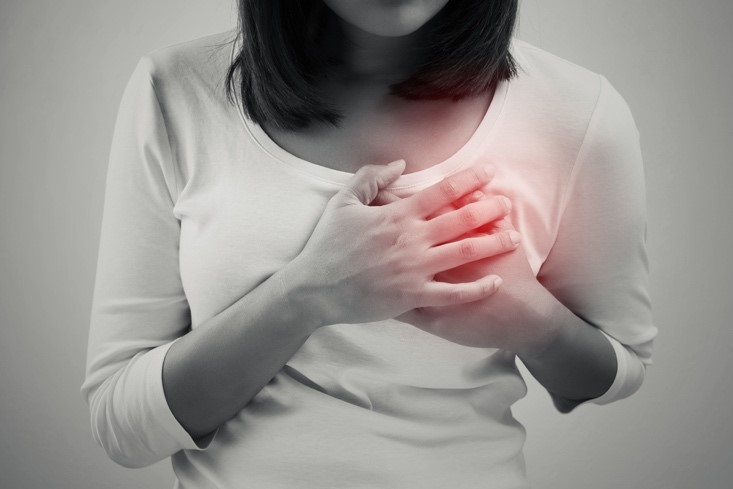
Female are known to have different heart health challenges compared to men. Although chest pain is among the most identifiable indications of a heart attack, female may have other multifaceted symptoms that are not easily defined or tend to be overlooked. For purposes of clarity, symptoms before a heart attack in female may not have the stereotypical chest pain linked to heart attacks.
- Unusual Fatigue: Extreme and unexplained fatigue is among the leading pre-heart attack symptoms of female. This type of fatigue has gone beyond the feeling of tiredness that one experiences at the end of a lengthy day at work. Unlike normal fatigue, chronic exhaustion does not subside with rest. Unusual levels of fatigue which are either too severe or prolonged can serve as indicators of underlying heart issues.
- 2. Shortness of Breath: Shortness of breath and difficulty in breathing are some of the symptoms that female may experience in the weeks leading to a heart attack. Patients report these symptoms as an early sign of a heart problem. The symptom is often overlooked and marked as stress or anxiety, it is valid to think it may be heart related.
- Discomfort in the Chest: Chest pain or discomfort is also one of the major symptoms of a heart attack, especially chest pain. In comparison to men, female do not consider this discomfort to be extremely local or severe. While some female experience discomfort in their chest or tightness, others feel sensations of pressure. Pressure within the chest can be mistaken for digestion-related issues or muscle related injuries. Some female have also reported pain down to the neck, jaw, shoulders, back region and even abdominal area.
- Nausea and Vomiting: Feeling nauseous and vomiting along with feeling fatigued or dizzy could be early signs of a heart attack, especially female. Compared with men, female develop symptoms associated with the stomach as an indicator of heart diseases. In requires no special attention when these symptoms appear, however immediate medical attention should be sought when these symptoms worsen or are accompanied by pain or discomfort in the back or around the chest.
- Soreness in the Neck, Jaw, or Back: Before a heart attack, female are more likely to experience discomfort in the neck, jaw or back region. The discomfort is gradual and could be confused with muscular soreness beat muscle strain. However, if this discomfort serves no purpose and coincides with other symptoms like breathlessness or tiredness, it could be a red flag.
- Dizziness or Light-Headedness: Light-headedness or dizziness is one of the prime symptoms indicating heart troubles. In such cases, a heart examination is necessary to rule out problems that could be present. In some cases, dizziness could also be associated with chest pains or breathlessness which indicates a problem.
- Excessive Sweating: Excessive sweating, or breaking into a sweat upon even the slightest of exertion such as standing, could also point towards a heart problem. Sweating while feeling very hot or alternatively very cold is not unusual in female before they suffer a heart attack.
Differences in Pre-Heart Attack Symptoms for Men and Female
There is some overlap in the pre-heart attack symptoms in men and female, but men still tend to notice the more common, wider spread indicators. Knowing these pre-heart attack symptoms male should be recognized, particularly if you are a female and are comparing symptoms with a male colleague’s symptoms.
For men, the most prevalent pre-heart attack symptom is pain or discomfort in the chest region. This can be described as tightness or pressure, or in more advanced cases may lead to a squeezing sensation in the chest. Men are also more likely to experience radiating pain down the left arm, and their symptoms are often more abrupt in onset and more extreme. In men, these classic symptoms tend to make a heart attack easier to identify early, while in female, symptoms can sometimes be more vague in nature.
The key differences are:
- Chest pain: Female are more likely to notice the dull ache or discomfort, while men often notice sharp pain for a short period of time.
- Radiation of pain: A man will typically feel pain radiating to the left arm while a woman may notice pain in her neck, back, jaw or stomach.
- Gastrointestinal symptoms: A woman is more likely to have feelings of nausea, vomiting and-like symptoms, but many men will not experience these symptoms.
The Importance of Heart Tests
It’s best to get medical assistance at the earliest if you notice any signs of a potential heart attack. Testing undertaken by a physician to check the condition of the heart is the next step after assessing the health of the heart. Tests of this nature assist in determining, among other things, if a person is prone to getting a heart attack as well as possible complications before they are fatal.
Common heart tests include:
- Electrocardiogram (ECG or EKG): An ECG records the heart’s electrical activity. It is useful for finding out if a person suffers from heart rhythm problems, heart attacks, and damages that the heart may have sustained in the past.
- Echocardiogram: An echocardiogram assesses the functionality of the heart by producing sound waves to create images of the heart’s chambers and valves.
- Stress test: This test involves a patient working out on a stationary bike or treadmill while being observed. It tests how the heart performs when the person is physically active.
- Coronary Angiography: This test looks for blockages in the arteries using x-ray pictures taken after dye has been placed inside the arteries.
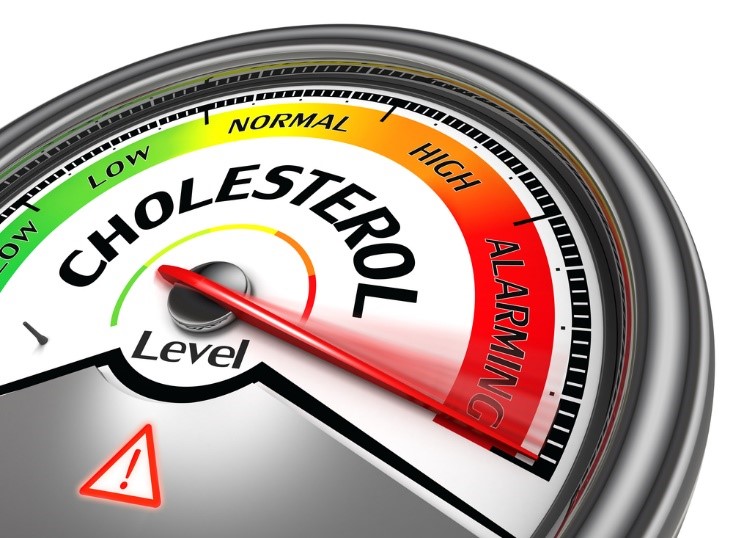
- Blood Tests: Blood tests can be done to determine levels of cholesterol and other substances which are related to heart disease.
Why You Should Care: Global Female’s Day and Cardiovascular Health
On International Female’s Day their contributions in the social, economic and political arena is highlighted along with awareness to crucial health challenges affecting female globally. Heart disease, which is often overlooked, is one of the leading causes of death among female. By paying attention it much more common in female, we can support greater prevention and treatment measures.
Female are encouraged to manage their heart health by recognizing pre-heart attack signs and constantly monitoring their health status, more so if they have a family history of cardiovascular disease, are obese, or are physically inactive. Regular checkups combined with lifestyle changes such as healthy eating, regular physical activity, and proper relaxation can significantly reduce the risk of heart disease.
Conclusion
Pre-heart attack symptom recognition is vital for female, as these markers differ greatly from those in men. Feelings of extreme exhaustion, chest pain, light-headedness and a sudden urge to throw up are just some of the symptoms that need immediate attention if they persist. If taking proactive measures isn’t prioritized the risk of severe heart event increases, and cardiological evaluations on a regular basis is the only certain way to guarantee preventative care on the cardiovascular system.
This International’s Female Day, consider taking a moment to think about your heart health and inspire the female in your life to do the same. Remember, early detection can save lives. By identifying the symptoms of a pre-heart attack, we are able to make a difference in the impact heart disease has on female all over the globe. To ensure your heart is in good shape, visit Dr. Lal PathLabs today for a comprehensive heart health test, so you can take the necessary measures to protect your health.