Kidney disease affects approximately 10% of the global population and can become a debilitating and often life-threatening condition if not diagnosed early. In India, a study in the Clinical Kidney Journal showed a 38% increase in the proportion of deaths from kidney failure from 2001 to 2013.
If left untreated, kidney disease may become fatal. Recognising the signs of kidney disease in men and women is crucial for timely diagnosis and treatment. This article discusses kidney disease, its stages, symptoms, causes, and why it occurs more in males.
What is kidney disease?
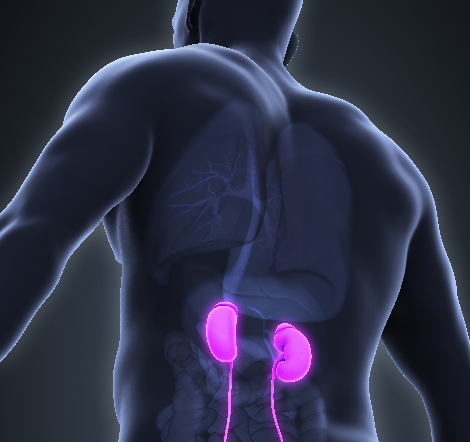
The kidneys are organs located near the bottom of the rib cage, on either side of the spine. They play a vital role in the body’s functions. The kidneys are mainly responsible for filtering waste, excess water, and other impurities from the blood. They also regulate the body’s pH, potassium, and salt levels, activate vitamin D, produce hormones for blood pressure regulation, and control red blood cell production.
Kidney disease occurs when an individual’s kidneys become damaged and can no longer function correctly. Chronic kidney disease is a loss in kidney function over time, also called chronic kidney failure. It can cause a dangerous buildup of fluids, waste, and electrolytes, leading to other health issues, such as malnutrition, nerve damage, and weaker bones.
Some common kidney problems include:
- Kidney Stones: Kidney stones in men and women are very common. They occur when substances in the blood (like minerals) crystallise and form solid masses in the kidneys. While the condition is painful, it rarely causes significant or fatal problems.
- Polycystic Kidney Disease: This is a genetic condition in which multiple cysts grow in the kidneys. These can interfere with normal functioning and cause kidney failure.
- Urinary Tract Infections: Urinary tract infections (UTIs) are bacterial infections of the urinary system. They occur most commonly in the urethra and bladder and are easily treatable. However, if left untreated, they can spread to the kidneys and cause kidney failure.
- Chronic Kidney Disease: Chronic kidney disease means there is damage to the kidneys, and the condition usually progresses in stages. Since they no longer filter waste, these substances can build up in the blood. The stages of kidney disease are:
- Stage 1: The kidneys are functioning well, but there are some signs of mild damage.
- Stage 2: The kidneys still function correctly, but there are more signs of mild kidney damage.
- Stage 3: In this stage, the kidneys are no longer functioning correctly and display mild to moderate signs of damage. The most noticeable symptoms appear in this stage. With proper treatment, most people can remain in this stage and not advance to the next stage.
- Stage 4: Significant damage to the kidneys is present, and the kidneys function very poorly.
- Stage 5: In this stage, the kidneys have either completely stopped working or are very close to failing. Kidney dialysis or transplants are required at this stage.
Why is Kidney Disease More Common in Men?
While the incidence of chronic kidney disease is higher in women, end-stage kidney disease is 50% higher in adult men. This may be because of:
- A difference in hormone levels (higher testosterone and lower levels of estrogen can cause a loss of kidney function).
- Men may also have unhealthier lifestyles, leading to a higher risk of kidney failure.
What Are the Causes of Kidney Disease?
Some causes of kidney disease are:
- Type 1 and type 2 diabetes
- High blood pressure
- Inflammation of the kidney’s filtering units (glomeruli)
- Polycystic kidney disease
- Prolonged obstruction of the urinary tract, like from an enlarged prostate, certain cancers, or kidney stones
- Recurrent kidney infection
- Cardiovascular diseases
Also read about Kidney Stones Symptoms
What Are Risk Factors for Kidney Disease?
Some factors that increase the risk of getting kidney disease include:
- Smoking
- Obesity
- Individuals who are Black, Native American or Asian American
- Having a family history of kidney disease
- Having abnormal kidney structure
- Old age
- Frequent use of certain medications
What Are The Symptoms of Kidney Disease?
The symptoms of chronic kidney disease typically develop over time as the condition progresses. This can lead to loss of proper kidney function, causing buildups of fluids and electrolyte issues. Depending on the stage and severity of the disease, kidney disease symptoms in males and females include:
- Nausea and vomiting
- Loss of appetite
- Fatigue
- Sleep issues
- Excessive urination or reduced urination
- Muscle cramps
- Decreased mental clarity and sharpness
- Swelling in the ankles and feet
- Dry and/or itchy skin
- High blood pressure
- Shortness of breath (often a result of fluid buildup in the lungs)
- Chest pain (if fluid buildup occurs in the lining surrounding the heart)
If an individual is experiencing symptoms of kidney disease, it is important to consult with a medical professional as soon as possible. For efficient and precise kidney function tests, visit the Dr Lal PathLabs website.
FAQs
-
Why is kidney disease more common in men?
End-stage kidney disease may be more common in men due to different hormone levels and unhealthier lifestyles.
-
What are the top 2 causes of kidney disease?
The top two reasons for kidney disease are high blood pressure and diabetes.