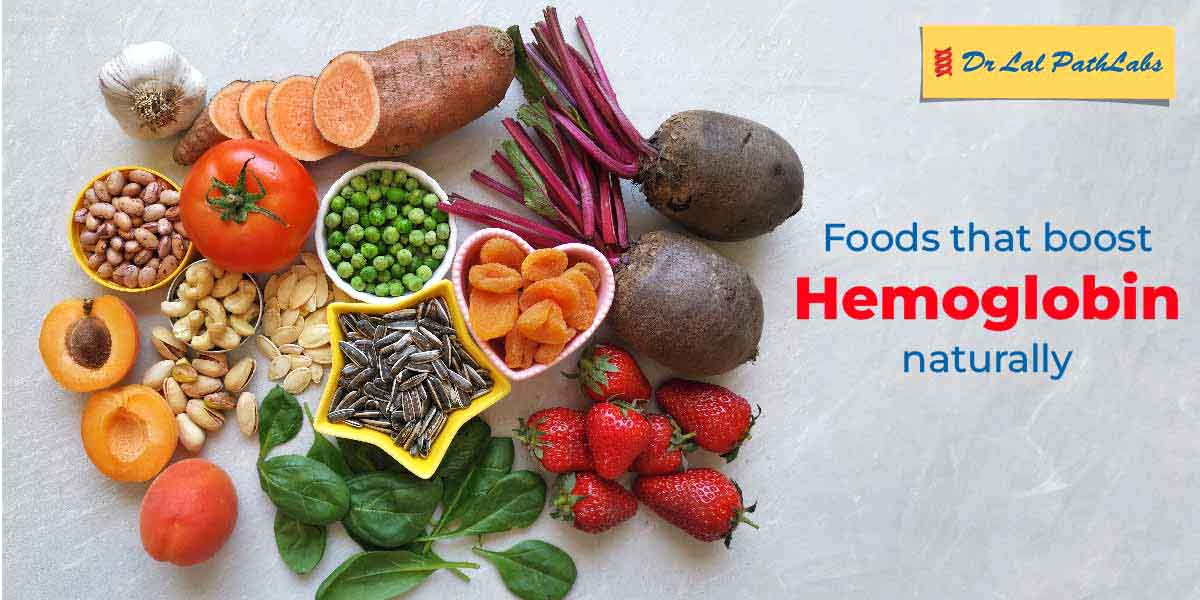
Spring brings blooming flowers, longer days, and warmer temperatures, but also seasonal allergies, fluctuating weather, and lingering flu viruses. As nature transitions, immune systems require extra support to stay strong. Combining exercise, proper nutrition, hydration, and preventive care helps maintain overall well-being during this seasonal shift.
Here are 9 practical tips for boosting immunity naturally this season.
1. Eat Seasonal, Nutrient-Rich Foods
A balanced diet with food for immune system support helps strengthen immunity. Spring provides a wealth of fresh produce that boosts health.
- Leafy greens (spinach, kale, and Swiss chard) provide immune-boosting vitamins and antioxidants.
- Citrus fruits (oranges, lemons, and grapefruits) supply vitamin C, which is crucial for immune defence.
- Berries (blueberries and strawberries) contain flavonoids that offer anti-inflammatory benefits.
- Garlic and ginger possess natural antibacterial and antiviral properties.
Tip: A morning smoothie with spinach, citrus fruits, and honey serves as a refreshing drink for boosting immunity.
2. Stay Hydrated
Staying properly hydrated helps remove toxins and keeps bodily functions running smoothly.
- Consuming 8–10 glasses of water daily supports immune function.
- Herbal teas, including green tea and chamomile, provide antioxidants that aid in defense against infections.
- Infused water with lemon, cucumber, or mint enhances hydration while offering detoxifying benefits.
Tip: Start the day with a glass of warm water and lemon. It helps detoxify and boosts vitamin C.
3. Support Gut Health
Food for immune system health promotes a balanced gut microbiome, enhancing immunity and digestion.
- Probiotic-rich foods like kefir, yogurt, kimchi, and sauerkraut promote healthy gut bacteria.
- High-fibre foods like whole grains, legumes, and vegetables encourage digestive health.
- Limiting processed foods and excessive sugar intake prevents disruptions in gut balance.
4. Engage in Regular Physical Activity
Exercise enhances circulation, reduces stress, and is an immune system booster. At least 30 minutes of moderate exercise most days a week proves beneficial.
- Outdoor activities such as brisk walking, cycling, and jogging promote cardiovascular health while offering exposure to fresh air.
- Yoga and stretching encourage blood flow and help manage stress levels.
- Strength training builds muscle and supports overall resilience.
Tip: Choose outdoor activities like walking or yoga in the fresh air to get both movement and vitamin D.
Spring allergies can trigger inflammation and respiratory discomfort, weakening the immune system.
- Checking pollen counts and limiting outdoor exposure during peak allergy times reduces symptoms.
- Air purifiers and closed windows help prevent allergens from entering indoor spaces.
- Washing hands and changing clothes after outdoor activities minimise pollen exposure.
- Herbal teas with honey soothe allergy-related irritation.
Tip: Checking pollen forecasts before outdoor plans is a simple way to boost immune system and avoid allergy triggers.
6. Prioritise Rest and Stress Management
Quality sleep lets the body heal and maintain immune defences. Getting 7–9 hours of quality sleep each night improves overall health.
- Maintaining a consistent sleep schedule optimises melatonin production.
- Reducing screen time before bed promotes better rest.
- Deep breathing, meditation, or reading create a calming bedtime routine.
Tip: Create a bedtime routine—dim the lights, avoid screens, and listen to calming music to improve sleep quality.
7. Get Natural Sunlight for Vitamin D
Vitamin D is vital for supporting immune health. Spring offers an opportunity to replenish levels naturally.
- Spending 10–30 minutes in sunlight daily encourages vitamin D production.
- Consuming these immune-boosting vitamins through fatty fish, egg yolks, and fortified dairy products enhances intake.
- Supplements may be beneficial if a deficiency exists.
Tip: Spend at least 15-30 minutes in direct sunlight daily to naturally boost vitamin D levels.
8. Use Herbal and Natural Remedies
Many natural ingredients are immune system boosters and provide added protection.
- Turmeric: Contains curcumin, a powerful anti-inflammatory compound.
- Echinacea: Known for its ability to support white blood cell activity.
- Elderberry: Helps combat flu viruses and reduces inflammation.
- Honey: Offers antibacterial properties and soothes throat irritation.
Tip: Drink a warm cup of ginger and turmeric tea in the evening for an anti-inflammatory boost.
9. Maintain Proper Hygiene
Preventing infections remains just as important as strengthening immunity.
- Washing hands for at least 20 seconds prevents germ transmission.
- Cleaning commonly touched surfaces, such as phones and doorknobs, reduces contamination risks.
- Keeping the mouth and nose covered while sneezing or coughing prevents bacteria and viruses from spreading.
Tip: Carry a small bottle of hand sanitizer outdoors to prevent germ exposure.
Small lifestyle changes yield significant long-term benefits, ensuring better health and increased energy throughout the season. Embracing these ways to boost the immune system allows for an illness-free and vibrant spring.
Regular health check-ups also play a key role in maintaining wellness. Consult a healthcare expert and book a test with Dr Lal PathLabs to monitor the overall health and stay proactive.
Frequently Asked Questions
1. What to drink for immunity?
Green tea, turmeric milk, citrus-infused water, herbal teas, and bone broth enhance immune function.
2. What to eat to boost immunity?
Some immunity-boosting foods include leafy greens, berries, nuts, yogurt, garlic, and protein-rich foods.