Calcium is vital for numerous bodily functions, including bone health, muscle contractions, nerve signalling, and blood clotting. However, when calcium levels fall below the normal range, it can lead to significant health concerns that require timely diagnosis and management.
Calcium deficiency, known as Hypocalcemia, can affect not only the bones and muscles but also the nervous system.
This article explains the causes and symptoms of Hypocalcemia as well as the steps to getting a hypocalcemia diagnosis.
Why is Calcium Important for the Body?
Calcium is the most abundant mineral in the human body and plays a vital role in keeping the body healthy. Calcium is needed in the body to:
- Maintain strong bones and teeth
- Help the muscles move
- Help the blood vessels carry blood
- Help hormone release
- Help the nerves carry messages between the brain and the body
Calcium levels ranging from 8.8 mg/dL to 10.4 mg/dL are considered normal for adults.
What is Hypocalcemia?
Hypocalcemia is a condition in which the blood has low calcium levels. It may be caused by low calcium production in the body or insufficient calcium circulation.
Hypocalcemia is a treatable disease. Its symptoms range from mild to severe, while the disease itself may be temporary or chronic.
Hypocalcemia is often a side effect of other health conditions.
What are the Risk Factors of Hypocalcemia?
Risk factors of Hypocalcemia include:
- Vitamin D or magnesium deficiency
- Kidney or liver failure
- Pancreatitis
- Anxiety disorders
- A history of gastrointestinal disorders
What are the Causes of Hypocalcemia?
Several different health conditions or disorders can cause calcium deficiency. The most common cause of Hypocalcemia is hypoparathyroidism, a condition in which the body secretes insufficient parathyroid hormone (PTH).
PTH helps the body control calcium levels in the blood, and vitamin D helps the body absorb that calcium. Thus, insufficient PTH or vitamin D can cause Hypocalcemia.
Other hypocalcemia causes include:
- Removal of parathyroid gland tissue during a thyroidectomy
- Malnutrition or malabsorption
- Certain medications such as calcitonin, cinacalcet, denosumab, rifampin, and corticosteroids
- Septic shock
- Hypermagnesemia and hypomagnesemia
- Intense exercise
- Intestinal disorders such as diarrhoea and constipation
- (In the case of infants) Diabetes in the mother
What are the Symptoms of Hypocalcemia?
Low calcium symptoms can present as muscle cramps in the back and legs, dry and scaly skin, brittle skin, and coarse hair. Mild cases of Hypocalcemia may not cause any symptoms.
However, hypocalcemia symptoms are more likely to appear if the disease progresses and becomes more severe. These may include:
- Muscle aches, stiffness or spasms
- Laryngospasm (muscle spasms in the throat which cause breathing difficulties)
- Abnormal heart rhythms
- Seizures
- Tingling in the lips, tongues, fingers, or feet
- Congestive heart failure
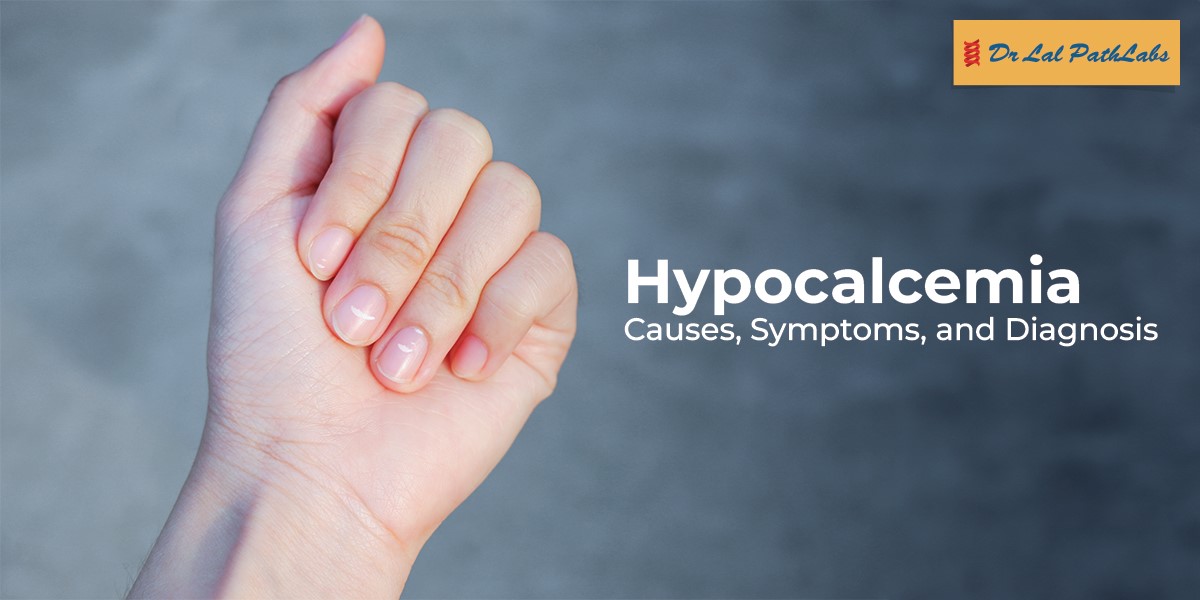
- Weak, brittle nails
- Bones that fracture easily
As calcium deficiency can affect the nervous system, it may also cause the following neurological symptoms:
- Anxiety, depression or irritability
- Memory problems
- Confusion
- Hallucinations
Long-term calcium deficiency can cause other health complications such as cataracts, eczema, and dementia.
How is Hypocalcemia Diagnosed?
A doctor may perform several tests and checkups to diagnose Hypocalcemia.
These tests may include:
- Blood tests: The doctor performs a blood test to check total calcium levels in the patient’s blood, as well as albumin and ionized calcium levels.
- Physical exams: The doctor may perform a physical exam to check for calcium deficiency symptoms. These exams can include a study of the hair, skin, and muscles.
- Mental exams: The doctor may also perform mental exams, which may include tests to check for signs of confusion, hallucinations, irritability, dementia, and seizures.
- Testing for Chvostek’s and Trousseau’s signs: Chvostek’s and Trousseau’s signs are both linked to Hypocalcemia. Chvostek’s sign refers to a twitching response when a set of facial nerves is tapped. Trousseau’s sign is a spasm in the hands or feet caused by a restricted blood supply to the tissues.
The doctor may also perform other tests, such as an electrocardiogram, blood tests for magnesium, phosphorus, PTH or vitamin D, and bone imaging tests to determine the cause of Hypocalcemia.
In The End
Calcium is a vital mineral for the body. A calcium deficiency may cause several health problems, such as brittle nails, memory loss, and mood swings. Over time, Hypocalcemia can also cause other complications.
Upon noticing signs of calcium deficiency, consult a doctor and book calcium test at Dr. Lal PathLabs.
FAQs
-
What are the symptoms of Hypocalcemia in infants?
Neonatal Hypocalcemia, or Hypocalcemia in infants soon after birth, can cause symptoms such as jitteriness, seizures, slowed breathing, and faster-than-normal heartbeat.
-
What complications can be caused by calcium deficiency?
Calcium deficiency may cause health complications such as eye damage, abnormal heartbeat, and osteoporosis. Untreated, Hypocalcemia may even be fatal.
-
What level of calcium in the blood is considered too low?
Blood calcium levels below 8.8 mg/dL are considered too low.