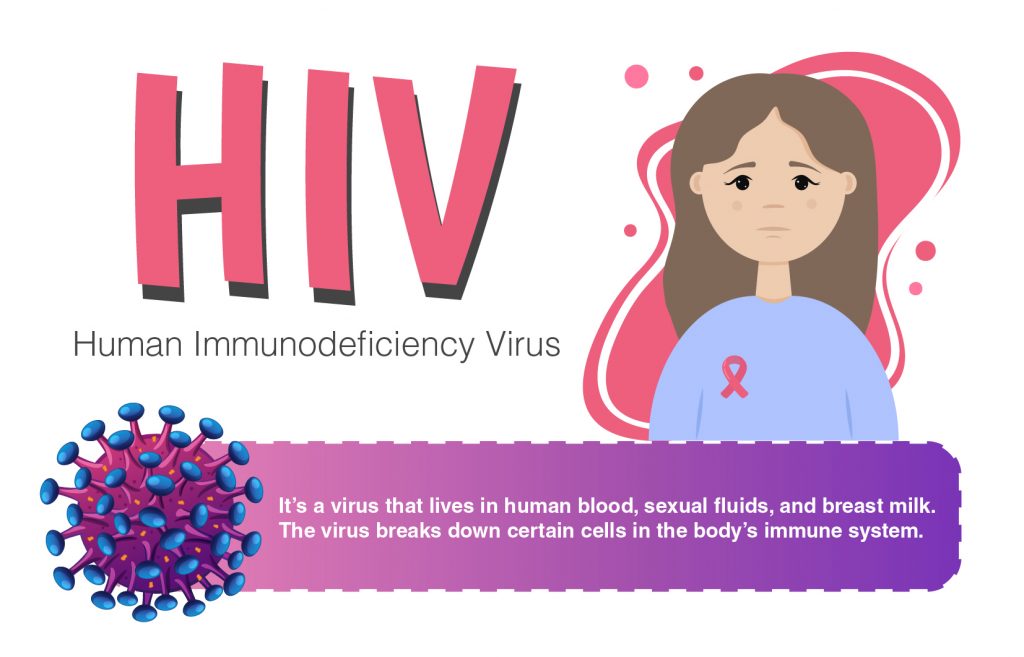
HIV (human immunodeficiency virus) threatens the immune system by targeting cells that help the body fight infections. The basic HIV and AIDS difference is HIV is the virus carrying the disease while AIDS is the developed stage of HIV infection when the immune system is severely weakened. This article explores primary aspects of the disease and it’s testing.
What Causes HIV?
HIV is a virus called the human immunodeficiency virus that causes an infection in the body. It is transmitted through:
- Unprotected vaginal or anal sex with an infected person
- Sharing needles or syringes
- Passed from the mother to child during pregnancy, childbirth, or breastfeeding
- Exposure to infected blood or bodily fluids
What are the Symptoms of HIV?
Early HIV symptoms in men can be flu-like and easily mistaken for other illnesses. Common HIV symptoms in men include:
- Fever, chills, and night sweats
- Headaches
- Fatigue
- Swollen lymph nodes
- Sore throat, rash
- Muscle and joint pain
- Weight loss, mouth ulcers, diarrhoea
Symptoms can vary with gender, especially HIV symptoms in men. However, some people remain symptom-free for years, which is why testing is crucial.
What is HIV Testing?
HIV testing is a medical process to determine if a person has been infected with the human immunodeficiency virus (HIV), the virus that can lead to acquired immunodeficiency syndrome (AIDS). HIV testing is required because it is the only way to know whether one has HIV, as symptoms may not appear for years, this is what HIV non-reactive means, especially HIV symptoms in men.
HIV testing is recommended at least once for individuals aged 13 to 64 and more often for those at higher risk or after practices, such as unprotected sex or needle sharing. It is also done during pregnancy to protect both mother and baby.
What are the Types of HIV Tests?
HIV testing involves different types of tests, that detect the virus or the body’s response to it at different stages of infection.
- Antibody Tests
The test searches for antibodies and proteins the immune system produces when exposed to HIV. An antibody is protein produced by the immune system that recognizes and binds to foreign substances called antigens, such as viruses or bacteria, to help remove them from the body.These tests can use blood or oral fluid samples. Antibody tests by drawing blood from a vein can detect HIV sooner than those using finger-stick blood or oral fluid. However, antibodies may take weeks to develop, so these tests have a longer window period. - Antigen/antibody Tests
These tests detect HIV antibodies and antigens, specifically the p24 antigen, which appears earlier than antibodies after infection. These tests are commonly used in laboratories and can detect HIV infection typically between 18 to 45 days after exposure.There are also rapid versions of these tests using finger-stick blood, though lab-based tests are more sensitive. This combined approach shortens the window period and improves early detection. - Nucleic Acid Tests (NATs)
They detect the actual virus (HIV RNA) in the blood and can identify HIV infection within 10 to 33 days after exposure, making them the earliest detection method. NATs require blood drawn from a vein and are usually sent to specialised labs.NATs also measure viral load to monitor infection progression. Viral load is the amount of virus present in a person’s blood, showing how much the virus is multiplying in the body.Some tests use oral fluid or urine, but these are less common and generally less sensitive, particularly to HIV symptoms in men. However, it is important to understand why HIV test is done.
Why Is HIV Testing Important?
HIV testing is important because:
- HIV carriers can transmit HIV as they are unaware of having contracted the disease.
- Early diagnosis allows for better health outcomes and reduces the spread.
- Knowing one’s status helps in taking preventive measures.
- It addresses misconceptions like can HIV hide from tests for years. While HIV can remain symptomless, modern tests detect infection reliably after the window period.
HIV Testing is a simple yet powerful tool to protect individual and public health. Early detection through tests prevents further transmission. Despite the absence of HIV symptoms in men, including HIV urine symptoms which are not a reliable indicator, testing remains the only sure way to know one’s status. Individuals experiencing symptoms of HIV must consult their healthcare provider and book a HIV 1 and 2 test with Dr Lal PathLabs for accurate diagnosis.
Download the Dr Lal PathLabs app today!
FAQs
- What my HIV non-reactive test means?
An HIV non-reactive means no HIV antibodies or antigens were detected. However, if tested during the window period of HIV, retesting is advised to confirm the result. - How soon can HIV be detected by a blood test?
There is a window period for HIV during which the virus may not be detectable, especially HIV symptoms in men. Most modern tests detect HIV within 4 to 6 weeks after exposure.