Each season has its unique changing weather patterns that have a variety of effects on health. Winter dryness, summer heat, monsoon moisture, and spring pollen can all cause health problems if not addressed properly. Adapting lifestyle habits, diet, and preventive measures to seasonal shifts can enhance overall well-being and resilience against illness.
Here are 9 tips for coping with seasonal changes:
A. Strengthening the Immune System
A strong immune system is vital for combating the change of seasonal illnesses like colds, flu, and allergies. Several measures can be taken to boost immunity:
- A balanced diet of essential antioxidants, minerals, and vitamins should be prioritized. Seasonal fruits, vegetables, nuts, and seeds provide necessary nutrients.
- Hydration is essential for maintaining immune function. Herbal teas, warm broths, and fresh juices can support hydration levels.
- Sufficient sleep, ideally between seven to nine hours per night, promotes immune resilience and overall recovery.
- Regular physical activity enhances circulation and immune responses, reducing the likelihood of seasonal infections.
B. Adjusting Diet to Seasonal Needs
Dietary habits should align with seasonal changes to maintain optimal energy levels and digestive health.
- Winter: Warm, nutrient-dense foods such as soups, stews, and root vegetables provide warmth and nourishment—spices like ginger, cinnamon, and turmeric support metabolism and immunity.
- Spring: Detoxifying foods, including berries, greens, and citrus fruits, help cleanse the body from winter accumulation. Lighter meals prevent sluggishness.
- Summer: Cooling and hydrating foods such as cucumbers, melons, yoghurt, and coconut water help regulate body temperature and prevent dehydration. Spicy and oily foods should be minimized.
- Monsoon: Light, easily digestible meals prevent digestive issues that arise due to increased humidity. Warm, home-cooked foods are preferable over raw or street food to reduce the risk of contamination.
C. Wearing Appropriate Seasonal Attire
Proper clothing choices help regulate body temperature and prevent changing weather-related health issues.
- Cold Weather: Layered clothing with breathable fabrics like wool and cotton retains warmth while preventing excessive sweating.
- Hot Weather: Loose, light-coloured clothing made of natural fibres such as cotton and linen allows better airflow and keeps the body cool.
- Rainy Season: Waterproof footwear, rain-resistant clothing, and proper protective gear help prevent infections caused by dampness and prolonged exposure to moisture.
D. Maintaining Proper Hydration
Sufficient water intake is vital for supporting overall health, regardless of the season’s climate.
- Winter: Warm herbal teas, broths, and infused water provide hydration while maintaining body warmth.
- Summer: Increased water intake and electrolyte-rich fluids (coconut water and fresh fruit juices), help prevent dehydration and heat exhaustion.
- Monsoon: Purified or boiled water is recommended to avoid waterborne diseases. Limiting sugary and carbonated drinks prevents digestive discomfort.
E. Prioritizing Skin and Hair Care
Each season’s climate affects skin and hair differently, necessitating appropriate care routines.
- Winter: Cold air leads to dry skin and hair. Using thick moisturizers and natural oils and avoiding hot showers helps retain hydration.
- Summer: Sunscreen application, protective clothing, and lightweight moisturizers prevent sunburn and dehydration. Hair should be washed frequently to prevent sweat buildup.
- Monsoon: Increased humidity may cause fungal infections and scalp issues. Keeping the skin dry, maintaining personal hygiene, and using anti-fungal products help prevent the change of seasonal illness.
F. Staying Active Throughout the Year
Exercise is essential for maintaining physical and mental well-being. Seasonal variations should be considered to ensure consistent activity levels.
- Winter: Indoor exercises such as yoga, strength training, and stretching routines provide warmth and flexibility.
- Summer: Outdoor activities should be scheduled in the early morning or evening to reduce excessive heat exposure. Swimming can serve as a cooling and effective workout.
- Monsoon: Home-based workouts and indoor activities like aerobics or Pilates can substitute outdoor exercises when changing weather conditions are unfavourable.
G. Maintaining Mental Well-Being
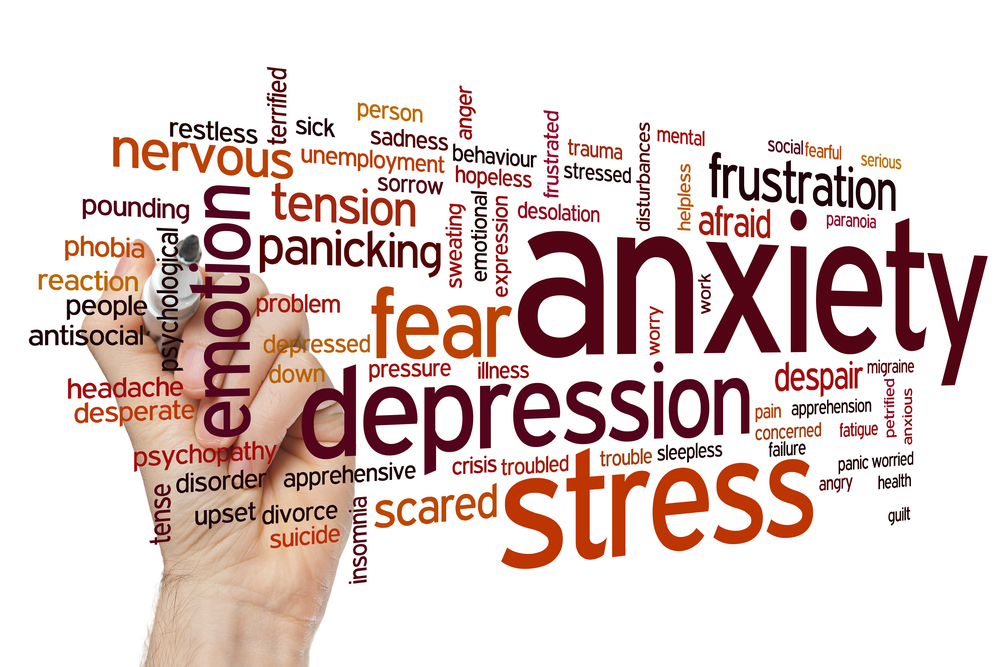
Seasonal changes can impact mood, leading to conditions such as Seasonal Affective Disorder (SAD), anxiety, or fatigue.
Recommended strategies include:
- Spending time outdoors, especially during winter, to maximize exposure to natural sunlight, which regulates serotonin levels.
- Practising mindfulness, meditation, and deep-breathing exercises to manage stress.
- Maintaining a stable sleep routine to support mental clarity and emotional balance.
H. Adapting Sleep Patterns to Seasonal Variations
Seasonal changes can affect sleep quality due to temperature fluctuations and altered daylight exposure. Adjustments can enhance restfulness:
- Room temperature should be regulated according to the season—cool in summer and warm in winter.
- Blackout curtains or sleep masks can help counteract early sunrises or prolonged darkness in different seasons.
- Reducing screen time before bedtime improves melatonin production and enhances sleep quality.
Adapting to seasonal changes requires mindful adjustments in lifestyle, diet, clothing, and preventive health measures. Periodic screenings enable timely intervention and reduce the impact of seasonal ailments. Consult a healthcare professional and schedule an allergy screen test with Dr Lal PathLabs to detect seasonal vulnerabilities early.
FAQs
-
How to cope with seasonal change?
Maintain a balanced diet, stay hydrated, exercise regularly, dress appropriately, and get preventive health check-ups.
-
How to prevent seasonal changes?
Seasonal changes cannot be prevented, but their impact can be minimized through lifestyle adjustments and proactive healthcare.