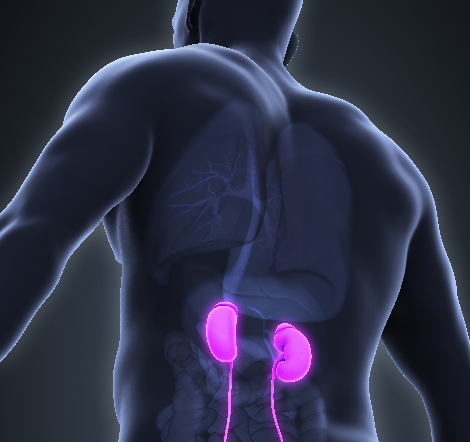
 Over the years, healthcare professionals have raised serious concerns about the rising prevalence of both obesity and chronic kidney disease (CKD)—two conditions that are strongly interconnected. Among the many complications caused by obesity, its impact on kidney function stands out as both serious and preventable.
In this blog, we’ll explore the relationship between obesity and kidney disease, how one can worsen the other, and why timely kidney screenings are essential for early intervention and better health outcomes.
What is Obesity?
Obesity is a chronic medical condition characterized by excessive body fat accumulation that negatively affects health. It is commonly measured using the Body Mass Index (BMI)—a BMI of 30 or above indicates obesity:
Obesity is not just about being overweight; it’s a complex condition linked to multiple health issues, including:
- Type 2 diabetes
- Heart disease
- Kidney disease
Several factors contribute to obesity, such as:
- Poor dietary habits (high-fat, high-sugar intake)
- Sedentary lifestyle
- Genetic predisposition
With global obesity rates rising, associated complications like CKD are putting increased pressure on healthcare systems worldwide.
What is kidney disease?
Chronic Kidney Disease refers to the gradual loss of kidney function over time. When kidneys are damaged, they struggle to filter waste and excess fluid from the blood, leading to toxin buildup and other health risks.
There are various types of kidney disease, including:
- Diabetic Kidney Disease
- Hypertensive Kidney Disease
CKD is categorized into five stages, based on how much kidney function (measured by Glomerular Filtration Rate or GFR) has declined. In early stages, symptoms may be minimal, but as the disease progresses, it can lead to complete kidney failure.
The Link Between Obesity and Kidney Disease
More research suggests that numerous conditions related to kidney disease may stem directly from obesity. Obesity puts one at risk for so many ailments, here are some mechanisms through which it influences the kidneys:
- Obesity and Associated Risk of Diabetes: Obesity and high blood pressure are some of the primaries causes of diabetes. Over time, high blood sugar damages the delicate filtering structures in the kidneys, leading to diabetic nephropathy, a leading cause of CKD.
- Obesity and Hypertension: Obesity often leads to high blood pressure (hypertension). This forces kidneys to work harder, damaging their filtering system and increasing the risk of hypertensive kidney disease.
- Inflammation: Fat cells, particularly those in the abdomen, can trigger chronic inflammation. Inflammatory substances called cytokines damage kidney tissue, contributing to kidney scarring and long-term dysfunction.
- Fatty Liver Disease: Obese individuals are more likely to develop non-alcoholic fatty liver disease (NAFLD), which is often associated with reduced kidney function. While the exact connection is unclear, co-existing liver and kidney conditions accelerate health deterioration.
- Hyperlipidemia (High Cholesterol): Obesity-related hyperlipidemia can lead to atherosclerosis (narrowing of the arteries), including those supplying blood to the kidneys. This restricts blood flow and worsens kidney function over time.
Difference Between Kidney Disease and Obesity-Related Kidney Disease
While kidney disease can result from various causes (e.g., infections, genetic conditions like polycystic kidney disease), obesity-related kidney disease primarily results from:
- Diabetes
- Hypertension
- Inflammation and poor lifestyle habits
Thus, lifestyle-related kidney damage is largely preventable and manageable, unlike some genetic or acute kidney conditions.
Diagnosing Obesity-Related Kidney Disease
Early detection is crucial for preventing kidney disease progression, especially in individuals who are overweight or obese. Recommended diagnostic tests include:
1. Blood Tests
- Serum Creatinine: Elevated levels indicate impaired kidney function.
- Blood Urea Nitrogen (BUN): Measures nitrogen waste in the blood—another indicator of kidney health.
2. Urine Tests: Urinalysis: Detects proteinuria (protein in urine)—an early sign of kidney damage, especially in people with diabetes or hypertension.
3. Glomerular Filtration Rate (GFR): A low GFR indicates reduced kidney function. Tracking GFR over time can help monitor disease progression in obese individuals.
4. Kidney Ultrasound: Used to detect scarring, cysts, or abnormalities in kidney size or structure—helpful in early diagnosis and ongoing monitoring.
Diet and Lifestyle: Managing Obesity and Protecting Kidney Health
The good news is that obesity-related kidney disease is largely preventable through lifestyle changes. Here’s how:
- Healthy Diet: Emphasize vegetables, fruits, whole grains, and lean proteins. Limit sodium, added sugars, and saturated fats.
- Regular Exercise: Aim for at least 30 minutes of moderate activity (e.g., walking, cycling) most days of the week.
- Hydration: Drink plenty of water to support kidney function and prevent kidney stones.
- Weight Management: Losing even 5–10% of body weight can significantly reduce the burden on kidneys and improve overall health.
World Kidney Day: Raising Awareness
World Kidney Day is observed every year on the second Thursday of March to raise awareness about the importance of kidney health.
For those living with obesity, this is a powerful reminder to get regular kidney screenings and adopt healthier habits. Early intervention can help prevent serious complications and support long-term wellness.
Conclusion
The link between obesity and kidney disease is undeniable. Obesity increases the risk of diabetes, hypertension, and inflammation—all of which can cause or worsen CKD.
Through routine kidney tests and lifestyle improvements, individuals can take charge of their health. As we observe World Kidney Day, it’s the perfect time to reflect on your health, get tested if you’re at risk, and make small, consistent changes for a healthier life.