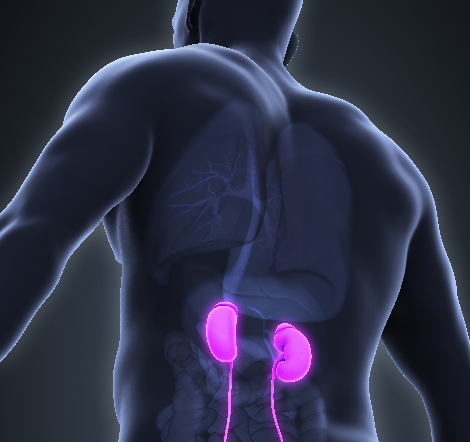
The human body relies on the kidneys to perform critical functions, such as filtering waste, balancing fluids, and maintaining overall metabolic health. According to the Indian Medical Association (IMA), it is estimated that more than 90 crore people worldwide are affected by kidney disease.
The creatinine test is a key test to identify kidney dysfunction and prevent severe complications. The test indicates the creatinine levels in both the blood and urine, thereby permitting the diagnosis of kidney functions at an earlier stage.
In this regard, knowing how the creatinine test is performed and making sense of its results is significant.
What is the Creatinine Test?
A creatinine test is a diagnostic tool to assess how effectively the kidneys filter waste from the blood. Creatinine, a waste product generated during muscle metabolism, is filtered out of the blood by the kidneys and excreted in urine. Doctors can determine the kidney function through blood or urine creatinine levels. A creatinine level rise indicates kidney dysfunction.
When is Creatinine Test Done?
A creatinine test is designed to test the functioning of kidneys and detect potential kidney-related issues.
- The test is usually a part of routine health checkups done together with a blood urea nitrogen (BUN) test and a basic metabolic panel (BMP).
- An individual may take the test with specific symptoms such as fatigue, loss of appetite, swelling in the face, wrists, ankles, or abdomen, lower back pain, changes in urine patterns, or high blood pressure.
- For individuals suffering from kidney diseases like glomerulonephritis, an inflammation of glomeruli, pyelonephritis, a bacterial infection of the kidneys, or kidney problems such as diabetes, hypertension, or dehydration.
- The kidney function of an individual intake of aminoglycoside medications is affected.
- The test is done before surgeries to ensure doctor the stability of the kidney.
Why is Creatinine Test Required?
The creatinine test is essential for several reasons:
- Diagnosing kidney function: It helps to diagnose how well the kidneys filter waste from the blood.
- Monitoring chronic health conditions: Kidney problems may develop without noticeable symptoms. This test detects kidney dysfunction at an early stage, preventing it from further damage.
- Evaluating Treatment Effectiveness: For those undergoing treatment for kidney disease, the test assists doctors in tracking the progress and effectiveness of the treatment.
How is the Creatinine Test Done?
As a part of the creatinine test, the patient needs to collect the urine sample at home while the blood tests are done in the lab.
The test is done over 24 hours, where the individual will need to collect their urine sample every time they pee. This is to help the healthcare provider check the cr levels throughout the day.
After collecting the urine samples, a blood test is done to generate the test results.
How to Check Creatinine Level Test Results?
The creatinine test results are interpreted based on age, gender, and overall health. Creatinine level is expressed in milligrams per deciliter of blood (mg/DL) and typically indicates:
- Normal Creatinine Levels: Kidney disease normal creatinine levels range from 0.9 to 1.3 mg/DL for men aged 18-60. For females aged 18-60, it ranges from 0.6 to 1.1. mg/DL.
- High Creatinine Levels: High serum creatinine can result from a high-protein diet, kidney infection, reduced kidney blood flow, or urinary blockage. If a diet or dehydration causes the elevation, the levels usually become normal when the cause is resolved.
In cases of persistently high cr levels, it can indicate chronic kidney infection which prompts further medical intervention.
- Low Creatinine Levels: Low creatinine levels occur very rarely but may be present in individuals with low muscle mass owing to dehydration, aging, or some diseases.
In patients undergoing dialysis, the creatinine level usually falls immediately after treatment, which indicates that certain waste products have been cleared from the blood.
An essential part of the creatinine test includes assessing the health status of the kidneys and detecting kidney problems. Regular testing is vital for persons with diabetes, high blood pressure, or a family history of kidney disease.
Seek urgent medical assistance to identify the concern and find suitable treatment. Those experiencing symptoms of kidney dysfunction can get a Creatinine Serum Test done at Dr. Lal Path Labs.
Frequently Asked Questions
-
Does a Creatinine Test need Fasting?
No, fasting is not usually necessary for a blood creatinine test.
-
What are the Requirements for a Creatinine Test?
A standard blood test measures creatinine levels in your blood (serum creatinine). Your doctor may ask you not to eat overnight before the test. For creatinine in urine tests, urine specimens may need to be collected over 24 hours in containers supplied by the clinic.
-
How often should I get a creatinine test if I have kidney disease?
Chronic patients and those at risk for kidney disease will be tested according to the treating doctor’s order; however, for everyone else, frequent testing will take place during regular health checkups.