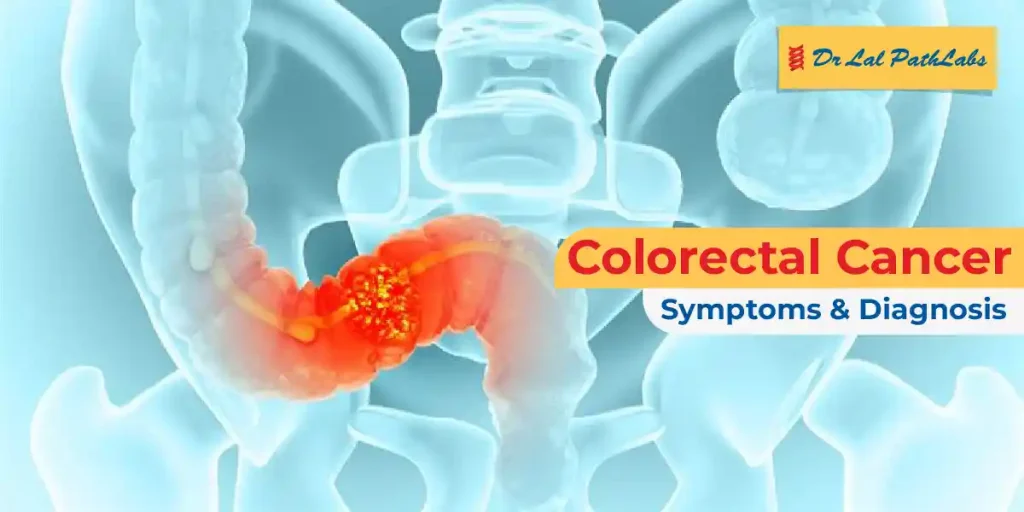
 Colorectal cancer is one of the most common types of cancer affecting both men and women worldwide. It develops in the colon or rectum, which are parts of the large intestine responsible for absorbing water and storing waste before elimination. Colorectal cancer often begins as small, non-cancerous growths called polyps that may gradually become cancerous over time.
Early detection through screening plays a crucial role in preventing colorectal cancer or diagnosing it at an early stage when treatment is more effective.
In this blog, we will explore the symptoms, causes, risk factors, diagnosis and prevention strategies for colorectal cancer.
What is Colorectal Cancer?
Colorectal cancer refers to cancer that begins in the colon or rectum, both of which are parts of the large intestine. The colon absorbs nutrients and water from digested food, while the rectum stores stool until it leaves the body.
Most colorectal cancers begin as adenomatous polyps, which are abnormal tissue growths inside the colon lining. Although not all polyps become cancerous, some may transform into cancer over several years.
Early stages of colorectal cancer may not cause noticeable symptoms, which is why routine screening tests such as colonoscopy are strongly recommended, especially after the age of 45.
Symptoms of Colorectal Cancer
Symptoms of colorectal cancer can vary depending on the location and stage of the tumor. Some people may not experience any symptoms in the early stages.
Common symptoms include:
- Persistent changes in bowel habits, such as diarrhea or constipation
- Blood in stool or rectal bleeding
- Abdominal pain or cramps
- Unexplained weight loss
- Weakness or fatigue
- Feeling that the bowel does not empty completely
- Narrow or thin stools
- Persistent gas or bloating
These symptoms can also be associated with other digestive conditions. However, if symptoms persist for more than a few weeks, medical evaluation is necessary.
Causes of Colorectal Cancer
The exact cause of colorectal cancer is not always known. However, it typically begins when healthy cells in the colon develop DNA mutations. These mutations cause cells to grow uncontrollably and form tumors.
Several biological and lifestyle factors may contribute to the development of colorectal cancer.
Possible causes include:
- Genetic mutations affecting cell growth
- Formation of precancerous polyps in the colon
- Lifestyle factors such as diet and physical inactivity
Over time, these abnormal cells accumulate and may spread to nearby tissues or other parts of the body if untreated.
Risk Factors for Colorectal Cancer
Certain factors can increase the likelihood of developing colorectal cancer. Some of these risk factors cannot be controlled, while others are related to lifestyle habits.
Non-modifiable risk factors
- Age above 50 years
- Family history of colorectal cancer
- Personal history of colon polyps
- Inherited genetic conditions such as Lynch syndrome or familial adenomatous polyposis
- Inflammatory bowel diseases like ulcerative colitis or Crohn’s disease
- Lifestyle risk factors
- Diet high in red or processed meat
- Low fiber intake
- Obesity
- Smoking
- Excessive alcohol consumption
- Lack of physical activity
Understanding these risk factors can help individuals adopt preventive measures and undergo appropriate screening.
How is Colorectal Cancer Diagnosed?
Early diagnosis significantly improves treatment outcomes. Doctors may recommend screening tests even before symptoms appear, especially for people at higher risk.
Common diagnostic tests include:
- Colonoscopy
A colonoscopy allows doctors to examine the entire colon and rectum using a flexible tube with a camera. If polyps or suspicious tissue are found, they can be removed or biopsied during the procedure.
- Stool-based tests
These tests detect blood or abnormal DNA in stool samples. They are often used as screening tools.
Examples include:
- Fecal immunochemical test (FIT)
- Stool DNA test
- Imaging tests
Imaging techniques help determine whether cancer has spread.
These may include:
- CT scans
- MRI scans
- PET scans
- Biopsy
A biopsy involves removing a small sample of tissue to confirm the presence of cancer cells.
Stages of Colorectal Cancer
Colorectal cancer is categorized into stages based on how far it has spread.
- Stage 0: Cancer is limited to the inner lining of the colon.
- Stage I: Cancer has grown into deeper layers but has not spread outside the colon.
- Stage II: Cancer has spread through the colon wall but not to lymph nodes.
- Stage III: Cancer has spread to nearby lymph nodes.
- Stage IV: Cancer has spread to distant organs such as the liver or lungs.
Staging helps doctors decide the most appropriate treatment plan.
Prevention of Colorectal Cancer
While not all cases can be prevented, several strategies may reduce the risk of colorectal cancer.
Recommended preventive measures
- Regular screening after age 45
- Eating a high-fiber diet rich in fruits, vegetables, and whole grains
- Limiting red and processed meats
- Maintaining a healthy weight
- Exercising regularly
- Avoiding smoking
- Limiting alcohol intake
Screening is especially important because removing polyps early can prevent cancer from developing.
FAQs
- What is the first sign of colorectal cancer?
The earliest sign may be changes in bowel habits, such as persistent diarrhea or constipation. Blood in the stool and abdominal discomfort are also common early symptoms.
- At what age should colorectal cancer screening begin?
Most health experts recommend starting regular colorectal cancer screening at age 45 for people at average risk. Individuals with a family history may need earlier screening.
- Can colorectal cancer be prevented?
While it cannot always be prevented, risk can be significantly reduced through regular screening, healthy diet, physical activity, and avoiding smoking and excessive alcohol consumption.
- Is colorectal cancer curable?
Yes, colorectal cancer can often be successfully treated if detected early. Early-stage cancers have a high survival rate when treated promptly.
- What foods increase the risk of colorectal cancer?
Diets high in processed meats, red meats, and low in fiber have been associated with an increased risk of colorectal cancer.
- How long does colorectal cancer take to develop?
Most colorectal cancers develop slowly over 10 years, often starting as non-cancerous polyps that gradually become malignant.
- Is colorectal cancer hereditary?
Some cases are linked to inherited genetic conditions such as Lynch syndrome or familial adenomatous polyposis, but most colorectal cancers occur without a strong family history.
- Can lifestyle changes reduce colorectal cancer risk?
Yes. Maintaining a healthy weight, eating fiber-rich foods, exercising regularly, and avoiding smoking can lower the risk.
- Which test is best for detecting colorectal cancer?
Colonoscopy is considered the most effective test because it allows doctors to examine the colon directly and remove polyps during the same procedure.