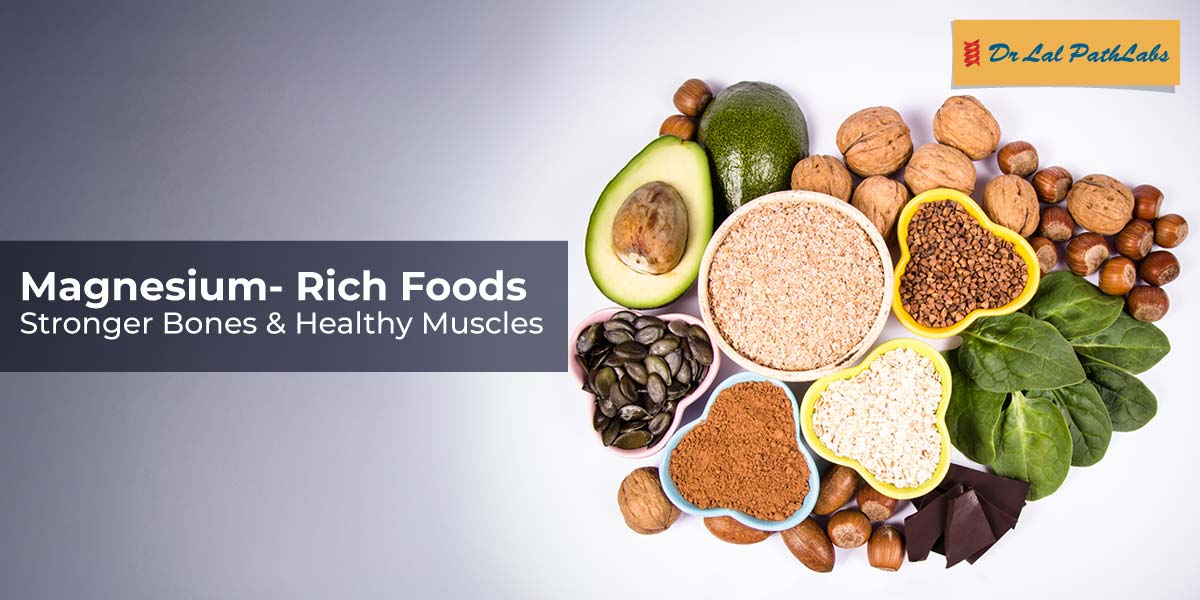
Magnesium is one of the seven most critical macrominerals for the human body. It is responsible for the smooth functioning of over 300 critical body processes that span from energy production to preventing the onset of diseases such as alzheimer’s and type 2 diabetes.
Yet, reports suggest that over 60% of urban Indians experience magnesium deficiency. To prevent magnesium deficiency, individuals must prioritise a magnesium-rich food chart.
Why is Magnesium Important?
Magnesium is responsible for many daily functions that keep the body running smoothly. These include:
- Supporting over 300 biochemical reactions
- Helping muscles contract and relax
- Aiding calcium absorption
- Regulating blood sugar and pressure levels
- Supporting nerve functions
What are the Best Magnesium-Rich Foods?
Here are some of the top magnesium-rich foods that can help individuals enjoy magnesium benefits.
-
- Leafy Greens – Leafy greens such as turnip greens, spinach, mustard greens, kale, and collard greens can offer significant magnesium benefits. In fact, 1 cup of cooked spinach has about 158 mg of magnesium, which makes it a super magnesium-rich food.
- Water – Water, whether mineral or bottled, can offer magnesium benefits. However, the quantity of magnesium in one glass of water depends on where the water is sourced from. If individuals drink the recommended amount of 2 litres a day, they can expect to ingest approximately 240 mg of the mineral.
- Dark Chocolate – Dark chocolate or chocolate made up of 70% to 85% cacao is another magnesium-rich food. 28 grams of dark chocolate contains 65 mg of magnesium, making it an excellent sweet alternative for individuals suffering from magnesium deficiency.
- Whole Grains – Whole grains offering magnesium benefits include wheat, buckwheat, barley and oats. These are high in nutrients such as manganese, vitamin B, selenium, and fibre. A single cup of cooked buckwheat contains approximately 86 mg of magnesium.
- Fruits – The next magnesium foods that individuals should include in their diet are fruits such as avocados, bananas, papayas and blackberries. Doing this allows individuals to gain magnesium glycinate benefits, such as stronger bones and healthier muscles.
- Seeds – A variety of seeds, such as pumpkin, flax, and chia, offer significant magnesium benefits. Not only that, but they also contain high amounts of fibre and antioxidants, making them an excellent component of the magnesium-rich food chart.
- Fatty Fish – The next magnesium food is fatty fish such as mackerel, halibut and salmon. 100 grams of cooked salmon contains about 30 mg of magnesium, along with 22 grams of high-quality protein.
- Nuts – The next foods offering high magnesium benefits include nuts such as almonds and cashews. This food group is especially noteworthy in a magnesium-rich food chart because it is also high in monounsaturated fat and has been found to improve cholesterol and blood sugar levels.
- Tofu – Tofu is a popular ingredient in the vegetarian diet due to its significant protein content. But it also offers magnesium benefits. A 100-gram serving of tofu contains approximately 35 mg of magnesium, along with a healthy amount of manganese, selenium, iron and calcium.
- Legumes – The next magnesium food group is legumes. This includes beans, chickpeas, soybeans, peas and lentils. Legumes are high in potassium and iron and are a good source of protein as well. Further, legumes are low on the Glycaemic Index (GI), making them a top choice for individuals suffering from high cholesterol levels or those looking to improve blood sugar control.
- Low-Fat Dairy Products – While dairy products are usually prioritised for their high calcium content, they also have magnesium benefits. In fact, 1 cup of non-fat milk contains about 24 to 27 mg of magnesium, while 1 cup of low-fat yoghurt contains around 42 mg of magnesium.
Including magnesium foods in one’s diet can help strengthen one’s bones and muscles. Some foods in magnesium-rich foods charts include nuts, seeds, legumes, fatty fish, and whole grains. If an individual suspects a magnesium deficiency, they must consult a medical professional and book a Magnesium test by downloading the Dr Lal PathLabs app.
FAQs
-
-
- What to eat for strong bones and muscles?
Individuals must consult a magnesium-rich food chart to strengthen their bones and muscles. This is because magnesium helps regulate Vitamin D and calcium levels in the body, both of which promote healthy bones and muscles. - What food is highest in magnesium?
Magnesium-rich foods include nuts, seeds, legumes, fatty fish, fruits, leafy greens, dark chocolate, tofu, and whole grains. - What are the symptoms of a magnesium deficiency?
Common symptoms of magnesium deficiency include high blood pressure, muscle weakness and spasms, fatigue, and an irregular heartbeat. - How much magnesium should an individual take daily?
The maximum daily dose of magnesium differs for men and women. For men, the limit is 420 mg/day, while for women, the limit is 350 mg/day. Individuals must include magnesium-rich foods such as fruits, leafy greens, nuts and seeds in their diet for a healthy intake of magnesium daily.
- What to eat for strong bones and muscles?
-