 Tuberculosis is a severe disease that mainly affects the lungs and can easily spread in crowded or unhygienic spaces.
TB testing can help determine whether a person has been exposed to the bacteria that causes Tuberculosis.
This article explores the types of Tuberculosis test, how it is done, and when it becomes essential for an individual to get tested.
What is TB testing?
TB testing measures an individual’s immune system response to antigens (substances that cause an immune system response) taken from Mycobacterium Tuberculosis, the bacterium that causes Tuberculosis.
There are two types of TB tests:
- TB Skin Test: A TB skin test (or a Mantoux test) measures the immune system’s response to a PPD (purified protein derivative) solution injected into a person.
If the injected individual has been exposed to the TB bacteria, a firm, red bump will appear at the injection site within 72 hours.
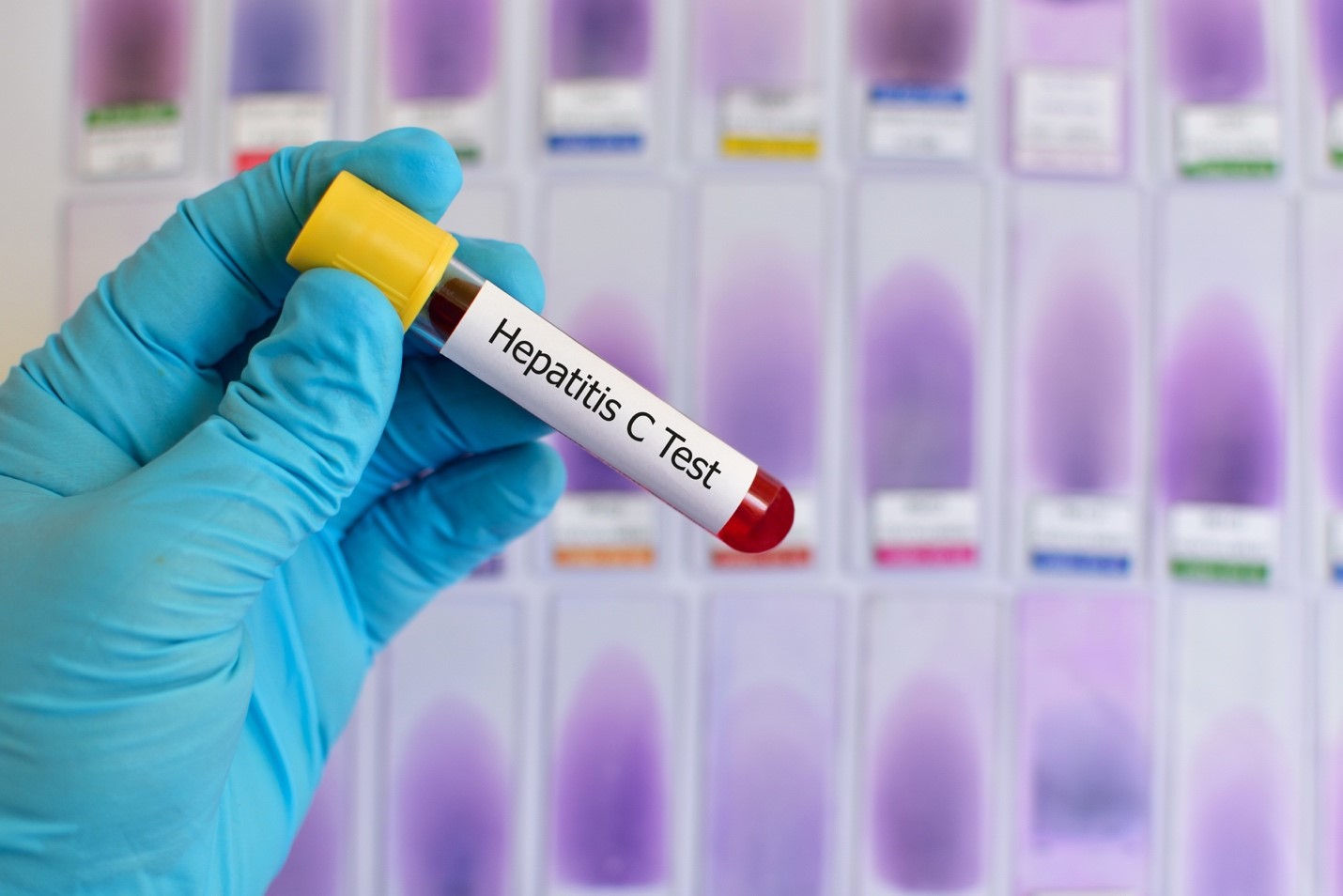
- TB Blood Test: A TB blood test (or an Interferon-Gamma Release Assay) mixes the individual’s blood sample with TB antigens and controls in a laboratory and measures the reaction using the immunoassay method.
This is done because, in most TB infections, certain white blood cells in the individual’s blood sample will release the interferon-gamma (IFN- γ) protein when mixed with the antigens.
Tuberculosis skin tests are usually preferred for children under five, while TB blood tests are preferred for immunocompromised persons or healthcare workers.
These two types of TB tests can only determine whether an individual has been exposed to the TB bacteria. Additional testing is required to distinguish between latent or active TB infection.
What is TB Testing Important?
Tuberculosis is a disease mainly affecting the lungs, but untreated, it may spread to attack other body parts, such as the brain, spine, and kidney.
TB testing is crucial as it can help in the early detection of TB before it worsens or starts to spread.
When Should TB Testing be Done?
If an individual has one or more risk factors of TB or if they are actively experiencing Tuberculosis symptoms, TB testing may be needed. Individuals with a higher risk of getting Tuberculosis are advised to get tested for TB every year.
A person is at higher risk of getting Tuberculosis if they:
- Have a medical condition that weakens the immune system
- Have been exposed to someone with an active TB infection
- Are a healthcare worker who regularly interacts with and cares for people
- Work or live in places that have high TB infection rates, such as housing and correctional facilities
- Have travelled to a TB-ridden area, such as parts of Asia and Africa
- Regularly drink alcohol or smoke
Symptoms of Tuberculosis in humans include:
- Fatigue
- Loss of appetite
- Weight loss
- Night sweats
- A cough that lasts over three weeks
Additionally, some healthcare facilities may require individuals to get Tuberculosis screening before they start working there.
How is a Positive TB Skin Test Determined?
A positive TB skin test looks like a firm red bump. This bump usually appears 48 to 72 hours after the injection.
The healthcare provider considers an individual’s risk factors while measuring the size of the firmness of the bump to determine whether or not the affected person has been exposed to Tuberculosis infection.
A false-positive skin test result might occur if the individual has received a Tuberculosis vaccine (BCG). Whether a bump indicates a positive result varies from person to person. The individual is considered positive if the bump is:
- Equal to 5 mm or more, and the person is immunocompromised
- Equal to 10 mm, and the person is a healthcare worker
- Equal to 15 mm, and the person does not have any TB risk factors
It is vital for individuals with high risk of getting Tuberculosis to get regularly tested for TB. Upon meeting such risk criteria or noticing symptoms of Tuberculosis, contact a healthcare professional and book a TB test with Dr Lal PathLabs.
FAQs
1. Are there any side effects to TB testing?
When conducting a skin test for Tuberculosis, side effects such as swelling, tenderness, or discolouration around the injection site may occur. A TB blood test may cause slight bruising or tenderness at the site where blood was drawn. These effects usually wear off quickly and are not a cause for concern.
2. How long does it take to receive TB test results?
It usually takes one or two days to receive the results of a TB blood test, although it may take longer in some instances. A TB skin test can take 48 to 72 hours to complete.
3. What happens if TB test results are positive?
If an individual’s skin or blood test results are positive, their healthcare provider may perform additional tests to make a conclusive TB diagnosis. These tests can include chest X-rays and laboratory tests of the person’s sputum sample (thick mucus that is coughed up from the lungs).