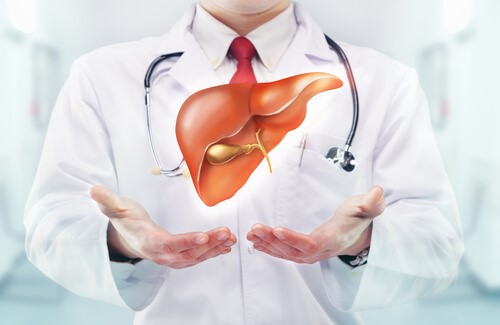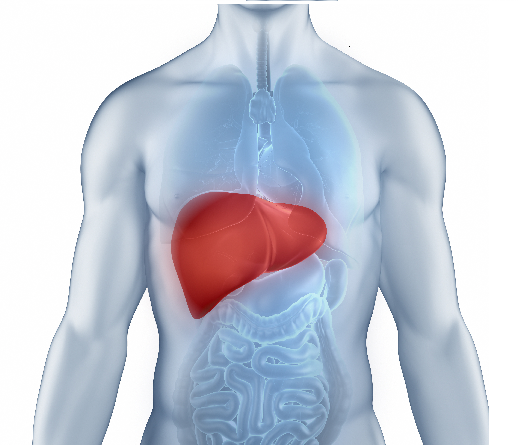
 The liver is a crucial organ that conducts several bodily tasks, such as helping in the digestion of food, conversion of food to energy and filtering out waste products. Liver disease is an umbrella term given to several conditions affecting the liver. These conditions can develop for different reasons. However, all of them can damage the liver and affect its functioning.
This article discusses the types of liver diseases, their causes, symptoms, and more.
What is Liver Disease?
Liver disease is the name of any disease that affects the liver and halts its normal function. Liver diseases are typically chronic and progress slowly over time. The main types of liver diseases include:
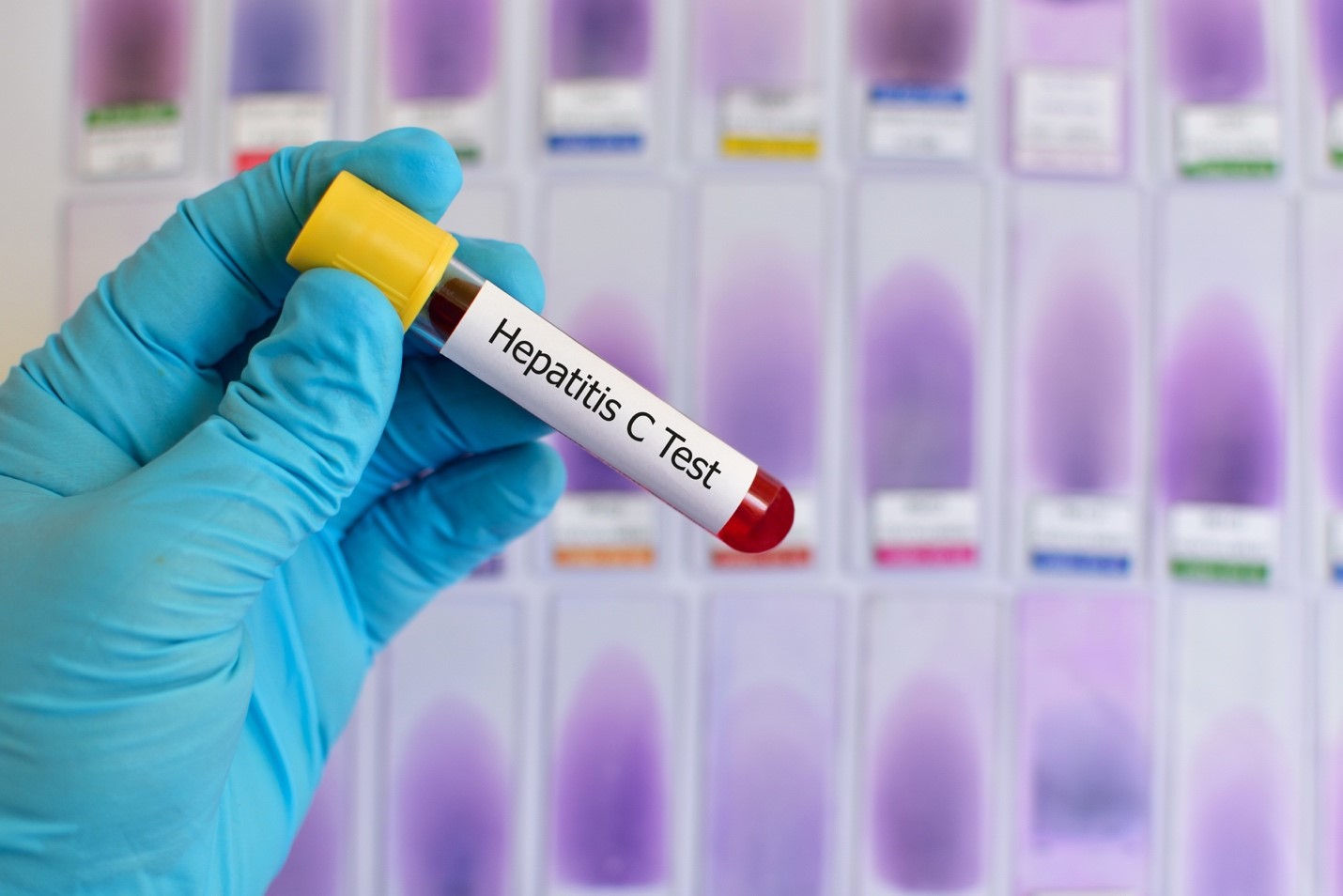
- Hepatitis: Inflammation of the liver is known as hepatitis. It can damage the liver, making its normal function difficult. When a virus causes the inflammation, it is called viral hepatitis. Viral hepatitis is contagious. The five different kinds of Hepatitis are A, B, C, D, E.
- Fatty Liver disease: Fat buildup in the liver leads to fatty liver disease. It is of two kinds: alcoholic and non-alcoholic. Without proper management and care, both types of fatty liver disease can cause liver damage.
- Autoimmune Conditions: Several autoimmune conditions can attack the cells in the liver, eventually leading to cirrhosis and liver failure. These conditions include autoimmune hepatitis and primary biliary cirrhosis.
- Genetic Conditions: Some genetic conditions, such as haemochromatosis and Wilson’s disease, can be inherited by children from their parents and lead to liver damage without proper medical attention.
- Cirrhosis: When liver damage occurs due to liver disease or alcohol use disorder, the liver develops scars upon healing the damage. This scarring is known as cirrhosis. It stops the liver from functioning properly and leads to other complications.
- Cancer: Abnormal growth of cells in the liver can cause liver cancer. Cancer can also occur due to the complications of other untreated liver diseases.
- Liver Failure: When a large part of the liver is damaged and cannot function adequately, liver failure occurs. Liver failure due to liver disease and cirrhosis usually develops slowly over time.
What Causes Liver Disease?
The various causes of liver disease include:
- Infection: The liver can get infected by viruses or parasites, leading to inflammation. Hepatitis A, B, and C are three liver diseases caused by viral infection.
- Immune System Condition: Some autoimmune conditions can also cause liver disease when the body’s immune system attacks the non-problematic cells in the liver. Autoimmune hepatitis is one such example.
- Genetics: Certain genetic conditions cause liver disease. Genetic liver diseases include haemochromatosis and Wilson’s disease.
- Other Causes: Some other causes of liver disease include excess alcohol consumption and fat buildup in the liver.
What are the Symptoms of Liver Disease?
Some common symptoms of liver disease include:
- Jaundice or yellow skin and eye whites
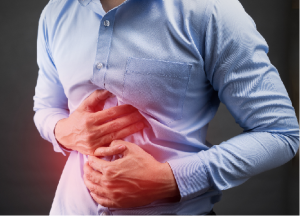
- Abdomen swelling and pain
- Swollen legs and ankles
- Itchy skin
- Dark urine
- Pale stool
- Loss of appetite
- Nausea or vomiting
Who is at Risk of Liver Disease?
The common risk factors of liver disease include:
- Obesity
- Ongoing heavy alcohol use
- Living with type 2 diabetes or high cholesterol
- Family history of liver disease
- Contact with other people’s infected blood or bodily fluids
How is Liver Disease Diagnosed?
Doctors use the following liver tests to diagnose the different stages of liver disease:
- Blood Tests: A combination of blood tests, known as liver function tests, diagnose several liver diseases. Further, different blood tests are used to check for gene changes.
- Imaging Tests: Imaging tests such as CT scan, MRI, and Ultrasound can create detailed images of the liver and highlight any liver damage caused by liver diseases.
- Tissue Biopsy: For further confirmation, the doctor can perform a biopsy, which includes removing a small tissue fragment from the liver using a long needle and then removing it through the skin. The tissue sample is then sent to a lab for testing.
The liver is one of the most crucial organs in the body and is responsible for hundreds of critical bodily functions. Liver diseases occur due to several causes, such as viral, lifestyle, or genetic factors, and require early diagnosis and treatment for a favourable prognosis. Upon noticing any symptoms of liver disease given here, one must consult a doctor without delay and book a liver function blood test at Dr Lal PathLabs.
FAQs
1. Can liver failure due to liver disease occur suddenly?
Liver failure due to any liver disease is chronic and develops slowly over time.
2. What are the complications of liver disease?
- Avoid alcohol or drink in moderation.
- Stay away from other people’s blood and bodily fluids.
- Get vaccinated for hepatitis if at risk.
- Avoid contact with insecticides and toxic chemicals.
- Maintain a healthy body weight.
3. How does cirrhosis differ from liver disease?
Cirrhosis is the scarring of the liver tissue when the liver heals from the damage caused by liver disease. High scarring can hamper normal liver function and cause other health complications. Cirrhosis then is one of the complications of liver disease.