 Hypertension is a common ailment that impacts millions of people globally. Many people tend to visualize high blood pressure solely as a precursor to heart and stroke complications, it also relates to the health of the kidneys. Believe it or not, high blood pressure is one of the leading causes of kidney diseases and the correlation between hypertension and kidney disease can be quite complex. In this blog, we will focus on the repercussions that high blood pressure has on kidney health, the dangers connected to hypertensive chronic kidney disease, and the need for proactive kidney screening to identify concerns in advance.
Everything You Need to Know About High Blood Pressure and It’s Effects on the Kidneys
Blood pressure is the force of blood circulating through the arteries because of the heart pumping. High blood pressure (hypertension) occurs when this force is too high for a long time, which puts enormous stress on the arteries, heart, and kidneys. Prolonged hypertension can result in damage to the blood vessels of the kidneys, which make it difficult for them to filter waste and extra fluids from the body. As a result, kidney disease can occur, which is a condition where the kidneys cannot function properly anymore.
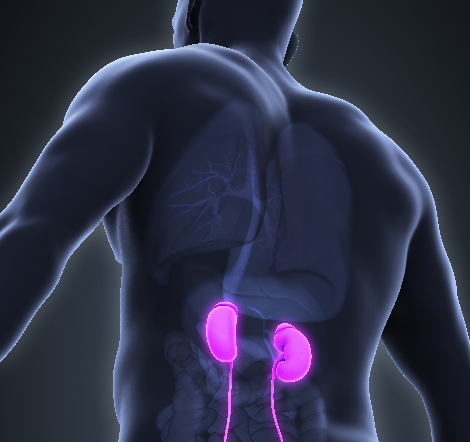
The kidneys help filter blood removing all nitrogenous waste, help control blood pressure, and maintain the amount of water and electrolytes in the body. Chronic high blood pressure can lead to narrowing, hardening, or weakening of the blood vessels of the kidneys, making it difficult for the kidneys to perform their function. This could result in hypertensive chronic kidney disease, which is a condition resulting from the gradual loss of kidney function over time.
Defining the Relationship Between BP and Kidney Disease
Both hypertension and kidney ailment influence each other which means, high blood pressure not only damages the kidneys but also worsen due to kidney problems. When the kidneys aren’t healthy, they may secrete certain hormones which can elevate blood pressure hence worsening the kidney condition. This makes it even more crucial to control high blood pressure to help save the kidneys.
A number of these can lead to high blood pressure and kidney disease including being overweight, lack of physical activities, smoking, and consuming unhealthy food that is rich in salt and processed. Other illnesses like diabetes and having high cholesterol also add the chances of having high blood pressure along with kidney disease. So, knowing the correlation of high blood pressure and kidney health becomes crucial for prevention and mitigation of both.
Hypertensive Chronic Kidney Disease: An Emerging Issue
Hypertensive chronic kidney disease (HCKD) is a pathological process associated with longstanding uncontrolled high blood pressure, leading to gradual and permanent damage to the kidneys’ filtering system over time. In some instances, there could also be an end stage renal failure which becomes life-threatening and requires dialysis or a kidney transplant.
As per World Health Organization (WHO), high blood pressure is the most significant risk factor for kidney disease worldwide. It is predicted one in five hypertensive patients is anticipated to have some level of renal impairment, and those with both hypertension and chronic kidney disease have disproportional chances of developing coronary heart disease and cerebrovascular accidents. Timely intervention through identification and treatment can avert the consequences of hypertensive chronic kidney disease and increase the chances of a favorable outcome.
The Signs and Symptoms of Kidney Disease: How To Recognize Kidney Disease
During the early phases of kidney illness, symptoms may not be apparent. Unless the kidney disease is chronic in nature, the following symptoms may develop as the illness progresses:
- Swelling in ankles, legs or feet.
- Urination in smaller quantities and with increased frequency, particularly during the night.
- Abdominal weakness and fatigue.
- Lack of focus.
- Shortened breath.
- Presence of protein in urine (proteinuria)
If you observe any issues related to the kidneys, paying attention to these indicators and consulting a specialist is pivotal. Since kidney disease tend to progress over time without any noticeable symptoms, it is important to get a kidney function test done periodically.
How Important Are Kidney Tests In Early Recognition of High Blood Pressure Ailments
For early detection of high blood pressure, periodic kidney function tests are helpful in determining any underlying kidney issues. People suffering with either high blood pressure, diabetes, or have a family history of kidney disease will likely benefit the most from these tests. A blood or urine sample is adequate to check for any signs of kidney complications.
Basic Kidney Function Tests:
- Measurement of blood pressure: Routine blood pressure check is an important step in controlling and prevention of high blood pressure. A BP level above 140/90 mm Hg for the first two readings is classified as hypertension and treatment should be sought.
- Blood Work ( Serum Creatinine and GFR ) : These tests evaluate how well kidneys are functioning by measuring the level of waste products such as creatine in the blood and estimating the glomerular filtration rate (GFR), which shows how well the kidneys are filtering waste.
- Urine Tests: A Urinalysis can show if protein, which is suggestive of kidney impairment, is present in the urine. If protein is present in urine, then it suggests that the kidneys are not working as they should.
- Albumin-to-Creatinine Ratio (ACR): The test measures… ACR assists with the early diagnosis of renal impairment resulting from diabetic nephropathy or hypertension induced kidney.
A Reminder for Taking Care of Kidneys: World Kidney Day
First established in 2006, World Kidney Day (WKD) is a campaign held worldwide on the second Thursday of March with the aim of promoting awareness of kidney health and prevention of kidney diseases. For everyone having a kidney, this is more than just a day; it is a reminder how to take care of them, and the relationship between kidney disease and hypertension.
In light of celebrating World Kidney Day, numerous health organizations recommend that individuals undertake regular kidney-related examinations, watch their blood pressure, as well as lead healthier lifestyle choices that ensure the kidneys are well cared for. Certain lifestyle modifications, such as decreasing salt consumption, achieving a healthy weight, exercising, cessation of smoking, and effective stress management have the potential to significantly reduce the chances of developing high blood pressure as well as diseases of the kidneys.
Protective Measures against High Blood Pressure in addition to Caring for Kidneys
In order to mitigate the risk of developing kidney ailments, monitoring high blood pressure is crucial. The following are some of the recommended rudimentary measures you could adopt to control high blood pressure while safeguarding kidney functions.
- Eat Properly for The Heart: A well-balanced nutritional plan having low salt levels, high quantity of fruits, vegetables, whole grain products and white meat aids blood pressure control, and protects the kidneys.
- Engage In Sports: Many forms of physical exercise facilitate maintaining an optimum body weight and lower blood pressure. Make it a goal to moderate exercise for no less than thirty minutes a good number of days in a week.
- Reduce Alcohol Intake and Don’t Smoke: Alcohol consumption and smoking both lead to an increase in blood pressure while also harming the kidneys. Alcohol moderation and smoking cessation are vital to ensure better protection of the kidneys.
- Administered Medications Should Be Taken: Follow the instructions given with the prescriptions of medications given to control the blood pressure. A patient’s kidneys can be protected from additional harm through ACE inhibitors and ARBs, which also manage hypertension.
- Blood Pressure Has to Be Monitored: Blood pressure is to be monitored at home on a regular basis. In case of readings being high, a healthcare provider should be consulted in order to modify the existing treatment plan accordingly.
Conclusion
Always Staying proactive is necessary when dealing with high blood pressure and kidney diseases, so managing them with precision and clarity is a requirement on and of its own. For patients with kidney damage predispositions, like hypertension, it is imperative to get regular kidney function tests as well as blood pressure checks as these are the primary methods for capturing the initial phases of kidney harm. Having a good diet and getting timely medical care will effectively lower the chances of developing chronic kidney disease related to hypertension while safeguarding the kidneys in the long run.
Do not forget to observe this year’s world kidney day as you take an active step to support your kidney health this year by getting your kidney function checked and understanding the lifestyle risks that come along with high blood pressure.