
Heart disease remains the leading cause of death for both men and women globally. Cardiovascular disease takes one life every 33 seconds.
Although this condition affects all populations, heart disease in women frequently remains undetected until reaching advanced stages. Many women in India prioritize family care while neglecting their personal health requirements.
Understanding the distinct signs of heart disease in women is crucial for preventing severe complications and reducing mortality rates.
What is Heart Disease?
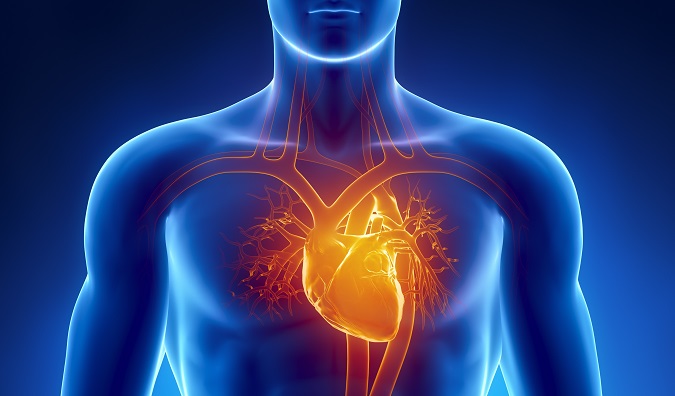
Heart disease encompasses various conditions affecting the heart and blood vessels. The heart functions as a vital pump that circulates blood throughout the body. When this pump or the associated blood vessels experience dysfunction, heart disease develops.
These conditions typically progress gradually over extended periods, often without clear early signs.
Understanding Heart Disease in Women
The causes of heart failure in women presents multiple complexities. Indian women typically develop cardiac conditions 7-10 years later than their male counterparts.
However, when cardiac problems manifest in women, they frequently result in more severe damage due to symptoms being overlooked or misattributed to other health conditions.
Common Types of Heart Diseases in Women
Several cardiac conditions predominantly affect women:
- Coronary microvascular disease: This condition affects the heart’s microscopic blood vessels, resulting in compromised blood flow.
- Takotsubo cardiomyopathy: This condition occurs when extreme stress impacts the cardiac muscle, resulting in temporary weakness.
- Coronary artery disease: The primary blood vessels supplying the heart experience narrowing or blockage.
- Heart valve disease: The valves regulating blood flow through the heart exhibit dysfunction.
Risk Factors for Heart Failure in Women
Multiple factors contribute to cardiac condition development:
- Age: Women above 55 years demonstrate increased risk
- Family history: Having close relatives with heart disease
- Blood pressure: Hypertension increases cardiac strain
- Diabetes: Impacts vascular health and cardiac function
- Body mass: Excessive weight increases cardiac workload
- Physical activity levels: Insufficient regular movement
- Smoking: Causes vascular damage
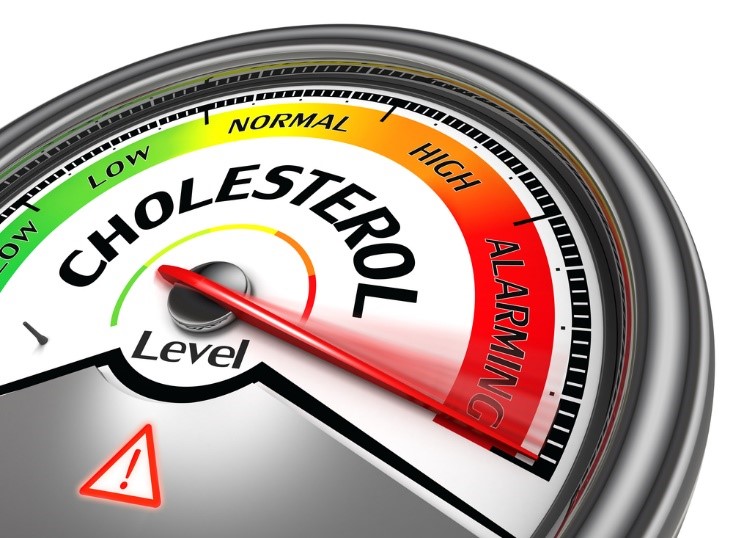
- Cholesterol: Elevated levels may cause vascular obstruction
- Mental health status: Chronic stress and depression impact cardiac health
- Menopause: Hormonal alterations increase cardiac disease risk
Symptoms of Heart Problems
The symptoms of heart failure in women often differ from those in men:
- Unusual fatigue unresponsive to rest
- Sleep disturbances or nocturnal dyspnoea
- Breathing difficulties during mild exertion
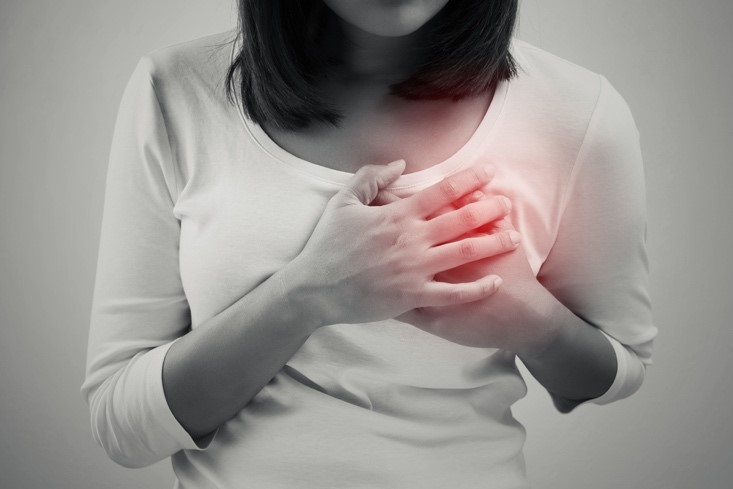
- Intermittent chest pressure or constriction
- Pain radiating to neck, jaw, or upper back
- Gastrointestinal discomfort resembling indigestion
- Frequent dizziness or light-headedness
- Cold perspiration
- Upper extremity weakness or heaviness
- Cardiac rhythm irregularities
Early Warning Indicators
Early detection of symptoms of heart block in females can prevent serious problems:
- Getting tired more easily than before
- Heart beating too fast, too slow, or irregularly
- Swollen feet, especially in the evening
- Unable to do regular daily tasks without getting tired
- Feeling short of breath while lying flat
- Waking up at night gasping for air
How to Diagnose a Heart Problem
Proper diagnosis involves several steps:
- Physical Examination: Assessment of blood pressure and cardiac sounds
- Medical history evaluation: Symptom and family history documentation
- Blood Analysis: Assessment of diabetes, cholesterol, and cardiac markers
- ECG/EKG: Cardiac electrical activity recording
- Stress Testing: Cardiac function evaluation during exercise
- Echocardiogram: Cardiac imaging via sound waves
- Cardiac CT scan: Detailed cardiac and vascular imaging
- Holter Monitoring: 24-48 hour cardiac rhythm recording
When to Seek Medical Help
Get immediate medical care when experiencing:
- Chest pain or pressure persisting beyond 5 minutes
- Severe respiratory distress
- Pain moving to arms, neck, or jaw
- Cold sweats with nausea
- Unexplained weakness or fatigue
- Dizziness with chest discomfort
- Tachycardia or arrhythmia (Rapid or irregular heartbeat) with weakness
Early detection through regular check-ups can make a significant difference in managing heart health effectively. Always consult a healthcare provider for proper evaluation and guidance.
For individuals experiencing these symptoms, book a heart test at Dr Lal PathLabs.
Frequently Asked Questions
-
When should women initiate cardiac health monitoring?
Regular monitoring should commence at age 40, or earlier with existing risk factors such as diabetes or hypertension.
-
Is heart disease preventable?
While certain risk factors including age and family history remain unmodifiable, lifestyle modifications can substantially reduce risk.
-
Do cardiac symptoms differ between women and men?
Women frequently present with subtle manifestations including fatigue and jaw pain rather than classical chest pain.