The human heart has four valves vital to proper blood flow. Heart valve diseases affect these valves and put the heart under strain, reducing blood flow. Untreated heart valve disease may even prove fatal.
This article explains the various types of heart valve diseases, their symptoms, and their diagnosis.
What is Heart Valve Disease?
Heart valve disease refers to a host of conditions that affect the regular functioning of the valves present in the heart.
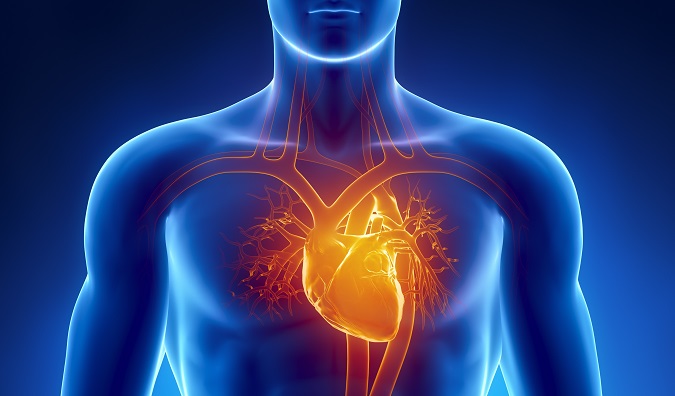
The human heart has four valves:
- Mitral
- Tricuspid
- Aortic
- Pulmonary
These valves ensure that the heart keeps blood flowing in the correct direction. They consist of small flaps, known as leaflets, that open up once during one heartbeat, allowing the blood to flow in the right direction and preventing it from flowing backwards.
Improper opening and closing of the valve flaps can cause less blood to move out of the heart and to the rest of the body.
Read more about different types of heart diseases
What are the Types of Heart Valve Disease?
There are four major types of heart valve disease:
- Stenosis: The valve flaps of the heart may become stiff or thick and can sometimes join together. It causes decreased blood flow through the valve due to the valve becoming narrow. The heart is put under strain and works harder to pump blood.
- Regurgitation: Also known as a “leaky valve”, regurgitation is when the valve flaps do not close tightly, causing blood to leak backwards across the valve. As a result, the heart has to work harder to compensate for the backward blood flow while the rest of the body gets less.
- Prolapse: The mitral valve may fail to close tightly due to unusually stretchy leaflets. It can result in regurgitation for some individuals.
- Atresia: In some cases, a heart valve may form without an opening. It happens before birth and is known as valvular atresia. It is usually diagnosed in early infancy.
Read more about risk for heart diseases
What are the Symptoms of Heart Valve Disease?
For some individuals, a heart valve disease may not cause any symptoms.
When it does, symptoms of heart valve disease can include:
- Fatigue
- Shortness of breath that gets worse, especially after physical activity
- Heart palpitations
- Dizziness
- Weakness
- Rapid weight gain
- Chest pain
- Swelling in the ankles, feet or abdomen
- Irregular heartbeat
What are the Causes of Heart Valve Diseases?
Heart valve diseases can be caused by a number of factors, including:
- A heart attack that damages the heart
- Advanced high blood pressure
- Birth issues, such as abnormal development of a pulmonary or aortic valve
- Rheumatic fever from an untreated strep throat
- Heart failure
- A heart infection
- Decline or calcification of the valve tissue, causing loss of function
- Lupus
- Marfan syndrome
How are Heart Valve Diseases Diagnosed?
To diagnose heart valve disease, a healthcare professional may perform various heart valve tests and examinations.
Diagnosis of heart valve disease may include:
- A physical examination to check for signs such as an enlarged heart, ankle swelling, lung fluid, and a heart murmur.
- An echocardiogram or a heart ultrasound to create and examine a moving image of the individual’s heart.
- An exercise stress echocardiogram to evaluate valve and heart function after the individual performs a physical activity like riding a bike.
- X-ray scans to scan the chest, coronary arteries, heart chambers, and heart valves.
- An electrocardiogram (ECG) is another test for heart used to record the heart’s electrical activity.
- An MRI to image the heart.
How to Prevent Heart Valve Diseases?
While some risk factors, such as age and sex, cannot be avoided, a healthy lifestyle can play a significant role in preventing heart valve diseases.
Preventative measures for heart valve disease can include:
- Staying physically active and maintaining a healthy weight
- Eating heart-healthy foods
- Avoiding tobacco products and recreational drugs
- Taking medication for high blood pressure or high cholesterol if needed
- Timely treatment for infections
Reduced blood flow and heart strain can have severe effects on an individual’s health. Timely diagnosis and care are important to avoid further health complications due to heart valve diseases. Upon noticing signs of heart valve disease, consult a healthcare professional and book a heart test at Dr Lal PathLabs.
FAQs
-
What are the risk factors of heart valve disease?
Individuals who use tobacco, have a pacemaker or ICD, have had radiation treatment for cancer, do not get enough physical activity, or have conditions like diabetes are at greater risk of developing heart valve disease. Men are also more likely to suffer from the condition.
-
Can heart valve diseases lead to other health complications?
A heart valve disease, if left untreated, may lead to heart failure, blood clots, pulmonary hypertension, irregular heartbeat, strokes, or cardiac arrest over time.
-
Can heart valve disease be cured?
Heart valve disease cannot be cured. However, appropriate care and treatment can help manage symptoms of the conditions.