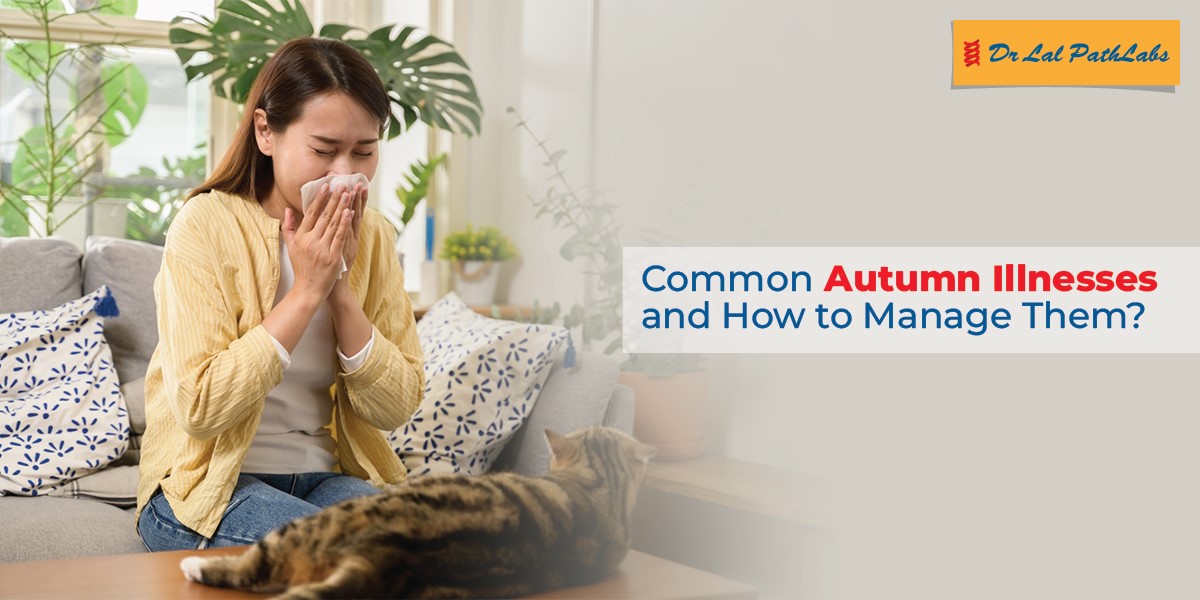
From September to November, autumn in India brings cooler weather, festivals, and clear skies but also sees a rise in illnesses due to temperature drops, rainfall, and strong winds, which affect immunity. Autumn illnesses can affect men, women, and children alike. However, infants and elderly individuals are particularly at risk.
Managing autumn diseases requires certain lifestyle changes and efficient preventative measures. This article examines common autumn diseases and how to manage them.
- The Common Cold
The common cold, a viral infection affecting the nose and throat, is prevalent in autumn. Common symptoms include stuffed or runny noses, sore throats, coughing, and low-grade fevers.
Some of the ways to manage this autumn illness are:
- Regular Hand Washing: Washing hands with water and soap for 20 seconds (at least) or using sanitiser containing at least 60% alcohol can help prevent the illness.
- Drink Fluids: Staying hydrated is essential. Water, clear broths, herbal teas, juices, and warm water with lemon or honey can decrease congestion. Avoid coffee, sodas, and alcohol.
- Get Ample Rest: Proper sleep and relaxation can help the body heal.
- Use a Humidifier: A humidifier or cool-mist vaporiser can add cool moisture to the air, reducing congestion and stuffiness.
Read also about cold and flu
- Influenza (Flu)
Influenza, a viral nose, throat, and lung infection, can be fatal in severe cases, though most recover independently. Signs include a cold, runny nose, fever, fatigue, sweating and chills, nausea, and more. Some ways to manage the flu are:
- Regular Hand Washing: Washing hands with water and soap for 20 seconds or using sanitiser with a minimum of 60% alcohol can help prevent the spread of germs.
- Strengthen the Immune System: To strengthen immunity, it is essential to sleep between 7 to 9 hours every night, get regular exercise, and eat a healthy, nutrient-rich diet. Multivitamins and supplements may also help.
- Get the Flu Vaccine: Flu vaccines are essential, especially for children and infants. It can help reduce the effects of the infection and the risk of it becoming fatal.
- Allergies and Asthma
Mould, smoke, and dampness in autumn can worsen allergies and asthma, sometimes fatally. Some symptoms that need immediate medical attention are chest, stomach, or shoulder blade pain; throat swelling; sudden shortness of breath; unconsciousness; blood in sputum; and bluish lips or nails. Some ways to manage asthma and allergies during the fall season include:
- Proper Sleep and Relaxation: This helps the body to recover and strengthens the immune system.
- Maintain a Healthy Diet and Lifestyle: Nutritious foods, such as fruits, vegetables, and lean meats, provide antioxidants and vitamins E and C, which help reduce inflammation and swelling in the lungs.
- Get Enough Vitamin D: Individuals with more severe asthma may suffer from low vitamin D levels. Foods like milk, eggs, or fish can help raise vitamin D levels, and spending time outdoors can also help.
- Seasonal Affective Disorder (SAD)
During the autumn months, some individuals suffer from mood changes and depression. This is called Seasonal Affective Disorder (SAD). Some symptoms of this autumn disease include sadness, hopelessness, loss of interest, appetite and sleep changes, low energy, and slowed thinking. Some ways to manage SAD include:
- Regular Exercise and Socialisation: Regular physical activity, like walking outdoors, can help improve the mood due to the fresh air and changes in scenery. Socializing with friends and family can also boost the mood.
- Get Sufficient Nutrients: Vitamin D and other nutrients affect an individual’s mood. Consulting a medical professional before making dietary changes can ensure patients receive the necessary nutrients.
- Stomach Flu
Viral gastroenteritis, or stomach flu, occurs when someone consumes contaminated food or water or has contact with an infected individual. Symptoms include abdominal pain, diarrhoea, vomiting, fever, weakness, and muscle pain.
- Drink Fluids: Diarrhoea, vomiting, and sweating can dehydrate the body. Water, clear broths, electrolytes, herbal teas, and juices are essential.
- Eat the BRAT Diet: Bananas, rice toast, and applesauce are the easiest foods to digest during the stomach flu. They provide carbohydrates for energy and replenish nutrients in the body.
- Get Sufficient Rest: Enough sleep and rest help the body fight infection and repair damage on a cellular level.
Individuals who notice health abnormalities or oncoming illnesses must consult a doctor and book a test at Dr Lal PathLabs for effective management.
FAQs
-
What are common autumn illnesses?
The most prevalent autumn illnesses are the common cold, flu, SAD, asthma, and stomach flu.
- How to clear sickness fast?
Managing autumn illnesses requires the following steps:
- Staying hydrated, which flushes toxins
- Getting enough sleep, which allows the body to heal and repair itself
- Eating a nutritious diet and being active, which provides the body with the necessary nutrients and boosts immunity and functioning
- Maintaining hygiene, which prevents the spread of diseases