As the days grow shorter and temperatures drop, a lack of sunlight during the winter season often causes people to feel slow, sluggish, and sad. For some people, these feelings may be caused by something more than winter blues. They may be suffering from Seasonal Affective Disorder instead.
This article explores Seasonal Affective Disorder and its link to winter health.
What is Seasonal Affective Disorder? (H2)
Seasonal Affective Disorder (SAD), or seasonal depression, is a form of depression that is triggered by seasonal change, affecting mood, energy levels, and overall well-being. It begins and ends at the same time every year and is also known as major depressive disorder with seasonal pattern.
Symptoms of SAD usually begin in late autumn or early winter and stop when spring rolls around. Some people may experience SAD in spring and summer instead.
What is the Link between Seasonal Affective Disorder and Winter?
There is a direct correlation between Seasonal Affective Disorder and winter. Most cases of SAD occur during late autumn or early winter.
The lack of sunlight, early nights, and being stuck indoors can trigger seasonal depression.
Less sunlight results in biological clock changes that can affect a person’s mood and sleep. Sunlight is also a source of vitamin D, which is related to serotonin, a chemical that affects happiness levels.
Winter depression can cause symptoms like oversleeping and weight gain.
What are the Risk Factors of Seasonal Affective Disorder?
SAD depression is more common in females as well as people aged 18 to 30.
Other risk factors of SAD include:
- Having another mood disorder, such as bipolar disorder
- Having family members with SAD or other mental health conditions, such as major depression or schizophrenia
- Living in cloudy regions or regions which receive less sunlight during winters
What are the Causes of Seasonal Affective Disorder?
The exact cause of SAD is not yet known. Researchers theorise that the following factors may cause seasonal depression:
- Biological Clock Change: The body’s biological clock regulates a person’s mood, sleep, and hormones. Lack of sunlight during winter causes a shift in this clock. Individuals may find it difficult to adjust to this shift.
- Brain Chemical Imbalance: Sunlight helps regulate serotonin, a chemical which contributes to a person’s happiness. Lack of sunlight can affect serotonin levels, resulting in depression.
- Vitamin D Deficiency: Vitamin D is another factor which affects serotonin. Less sunlight produces less vitamin D in the body, which may cause a vitamin D deficiency. This affects serotonin levels and, therefore, a person’s mood.
- Melatonin Boost: Melatonin is a chemical which affects a person’s sleep pattern and mood. Lack of sunlight may cause overproduction of melatonin, making the individual feel sleepy and fatigued.
What are the Symptoms of Seasonal Affective Disorder?
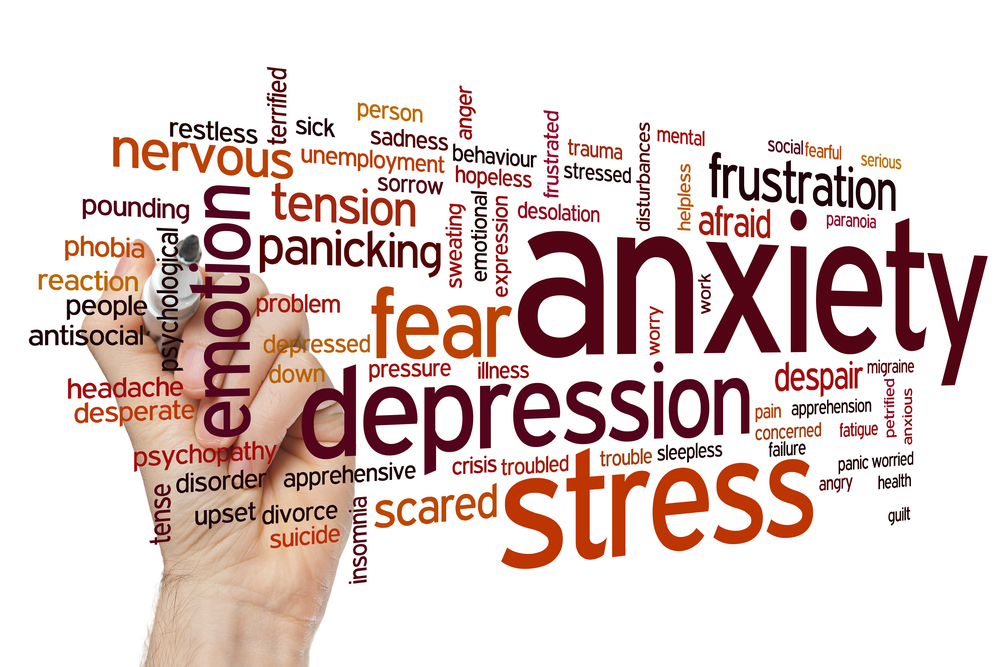
Seasonal Affective Disorder can cause mood changes and symptoms of depression. Common seasonal depression symptoms include:
- Feeling sad or depressed almost every day
- Anxiety or irritation
- Extremely low energy and fatigue
- Sleeping problems
- Losing interest in activities which usually bring pleasure
- Thoughts of suicide
Winter SAD symptoms may include:
- Oversleeping
- Feeling tired or having low energy
- Daytime fatigue
- Overeating
- Weight gain
How to Combat Seasonal Affective Disorder?
It is essential for people with SAD winter depression to practice self-care to combat SAD symptoms.
Some effective measures include:
- Utilizing Light Therapy: Bright lights can help manage SAD symptoms. Special Seasonal Affective Disorder lamps can help compensate for the low amounts of sunlight during the winter.
- Spending Time Outdoors: Spend time outdoors during the day to maximize exposure to sunlight. Regular walks also provide fresh air and a change in scenery, which can significantly improve a person’s mood.
- Spending Time with Loved Ones: Staying in touch with loved ones and other people in a person’s support system can help combat seasonal depression symptoms and improve one’s mood and mental health.
- Taking Vitamin D: Increasing vitamin D intake can help combat SAD symptoms. Food products rich in vitamin D and supplements are good sources of vitamin D. However, consult a healthcare professional before adding supplements to the diet.
- Increasing Sunlight in Living Spaces: The more sunlight one receives, the more it will help with SAD symptoms. So, it is important to allow maximum sunlight into the home and workspace. Or, consider using tricks such as installing skylights and mirrors.
In The End
Seasonal depression can negatively affect an individual’s life and health if not handled well. Upon noticing signs of seasonal depression, consult a healthcare professional and book a full body health checkup at Dr. Lal PathLabs.
FAQs
-
Does Seasonal Affective Disorder only occur in the winter months?
While Seasonal Affective Disorder is often associated with winter, it can also occur during the spring and summer months.
-
How does Seasonal Affective Disorder differ from depression?
Seasonal Affective Disorder can have similar symptoms as major depression. However, depressive episodes caused by SAD occur during specific seasons rather than during any time of the year.